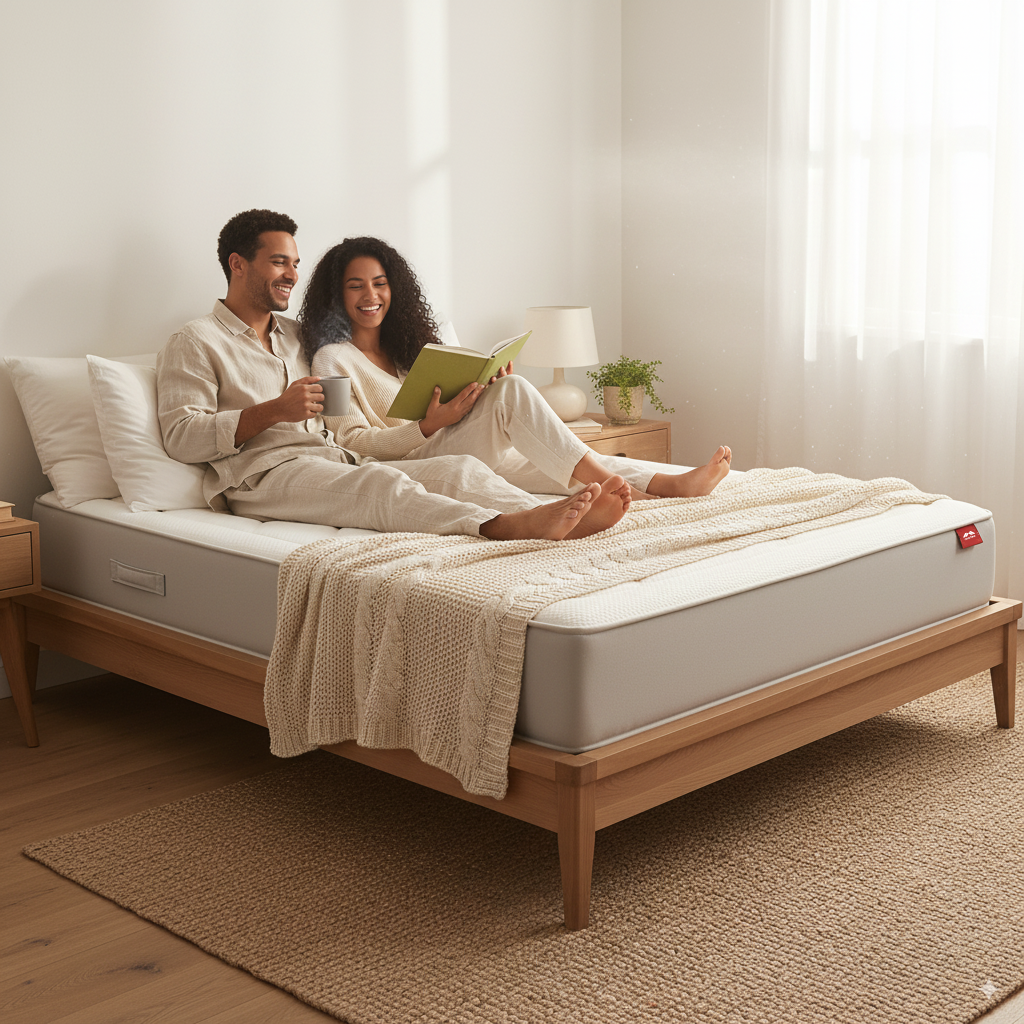

How to Sleep with Noise: A Practical Guide to Resting in Noisy Environments
To sleep through noise, the best approach is to combine several barriers: earplugs, a constant background sound (white noise) to mask sudden noises, thick curtains or window insulation, and a routine that helps you sleep soundly. Being unable to rest because of noise is incredibly frustrating.
Whether it's outside traffic, noisy neighbors, or a snoring partner, noise can have a significant impact on sleep quality.
In this definitive guide, we will explore the science behind sleep, the types of noise that can affect it, and, most importantly, tips and techniques for sleeping soundly in noisy environments.
Table of Contents
The effects of noise on sleep quality
Sleep is a vital process that helps the body and mind recharge and rejuvenate. When we sleep, our body goes through different stages, such as light sleep, deep sleep, and rapid eye movement sleep (REM).
Noise can disrupt these stages, reducing overall sleep quality. Even if you are not completely awake, your brain can register and process sounds, leading to a restless night's sleep.
Noise can also affect how long it takes you to fall asleep and the duration of your sleep. Studies have shown that exposure to noise can increase the time it takes to fall asleep and reduce the amount of deep sleep. This can lead to daytime fatigue, irritability, and decreased productivity.
The science of sleep
Before delving into how noise affects sleep, it is essential to understand the science behind it. The sleep-wake cycle is controlled by two factors: the circadian rhythm and the homeostatic sleep drive. The circadian rhythm is the body's internal clock that regulates the sleep-wake cycle, while the homeostatic sleep drive is the body's need for sleep, which increases the longer you stay awake.
When we sleep, our body goes through different stages: light sleep, deep sleep, and REM sleep. Light sleep is the transition between being awake and asleep, while deep sleep is the most restorative phase of sleep, during which the body repairs itself. REM sleep is when we dream, and it is essential for cognitive function and memory consolidation.
Types of noise and their impact on sleep
Noise can take many forms, such as traffic, construction, snoring, and even the hum of electronic devices. Different types of noise can have different effects on sleep quality. For example, loud and sudden noises, such as a car horn, can fully wake you up, disrupting the sleep-wake cycle. In contrast, continuous noise, such as the hum of a refrigerator, can make it difficult to fall asleep and stay asleep.
White noise is a type of noise that can help mask other sounds and promote a quieter sleep environment. White noise machines produce a constant sound that can help drown out other noises and create a more relaxing atmosphere. However, white noise machines may not work for everyone, and some people may find the sound too annoying or distracting.
Tips for reducing noise in your bedroom
One of the best ways to improve sleep quality in noisy environments is to reduce the amount of noise in your bedroom. Here are some tips for creating a quieter sleep environment:
1. Use earplugs: Earplugs are an affordable and simple way to reduce noise. They come in different shapes and sizes and can be worn comfortably all night.
2. Invest in noise-canceling headphones: Noise-canceling headphones actively block noise, creating a quieter listening experience. They are especially useful for those who live in noisy environments or travel frequently.
3. Use curtains or blinds: Curtains or blinds can help reduce the amount of outside noise that enters the room. Blackout curtains are especially effective at blocking light and noise.
4. Add insulation: Insulation can help block noise from neighbors or outside traffic. Consider adding soundproofing materials to the walls or ceilings.
White noise machines and their effectiveness
White noise machines are becoming increasingly popular for improving sleep quality. These machines produce a constant sound that can help mask other sounds and create a quieter sleep environment. Although white noise machines can be effective for some people, they may not work for everyone. Some people may find the sound too annoying or distracting, while others may not notice any difference in their sleep quality.
If you are thinking about buying a white noise machine, it is essential to research and find the one that best suits your needs. Look for machines that offer different sound options and volume controls. Also consider the size and portability of the machine, especially if you plan to travel with it.
View the Original Hybrid Mattress
Lifestyle changes to improve sleep quality in noisy environments
Lifestyle changes can also improve sleep quality in noisy environments. Here are some changes you can make:
1. Exercise regularly: Regular exercise can help improve sleep quality by reducing stress and anxiety. However, avoid exercising too close to bedtime, as it can make it difficult to fall asleep.
2. Establish a consistent sleep routine: Going to bed and waking up at the same time every day can help regulate your circadian rhythm and improve sleep quality.
3. Limit caffeine and alcohol consumption: Caffeine and alcohol can disrupt sleep and make it difficult to fall asleep.
4. Create a relaxing sleep environment: Create a sleep environment that promotes relaxation and calm. Consider using essential oils or a diffuser to create a relaxing atmosphere.
Natural sleep aids and medications
If habit and environment changes are not enough, talk to your doctor before taking any sleep aids, including over-the-counter options such as melatonin or valerian, as they may have side effects or interact with other medications. Prescription sleep medications should only be prescribed by a doctor.
Sleep hygiene habits to improve overall sleep quality
Finally, incorporating good sleep hygiene habits into your daily routine can help improve overall sleep quality, even in noisy environments. Here are some sleep hygiene habits to keep in mind:
1. Turn off electronic devices: The blue light emitted by electronic devices can suppress melatonin production, making it difficult to fall asleep.
2. Avoid heavy meals before bedtime: Eating heavy meals before bed can make it difficult to fall asleep and cause indigestion or heartburn.
3. Take a warm bath or shower before bed: A warm bath or shower can help promote relaxation and make it easier to fall asleep.
4. Practice relaxation techniques: Techniques such as deep breathing, meditation, or yoga (these relaxation exercises) can help reduce stress and promote relaxation.
Morfeo's recommendation
Outside noise and inside movement
If you sleep with your partner, the other person turning over can also wake you up. Pocket springs work independently and transmit less of that movement.
The best mattress for couples
Measurements, different weights, and how to notice your partner's movements less.
Read the guide →
Morfeo mattresses
Six models made to order in Yecla, with 100 nights to try.
View the collection →
Mattresses: 100 nights to try · 10-year warranty · Free shipping within the mainland · Made in Spain
Conclusion
Noise can have a significant impact on sleep quality, but there are many tips and techniques you can use to improve your sleep in noisy environments. Whether using earplugs, investing in a white noise machine, or making lifestyle changes, there are many ways to create a quieter sleep environment.
Remember that prioritizing sleep is essential for your overall health and well-being. If you continue to have trouble sleeping, talk to your doctor, who can help you find the best solution for your needs.
Don't let noise disrupt your sleep any longer. Try some of the tips and techniques in this guide to create a quieter sleep environment.