

What Happens to Your Body When You Work Nights and Sleep During the Day
Night work is a fact of life, and more and more jobs now run on these hours. Sometimes it comes down to the service being provided, sometimes it is the schedule that suits the worker best. Whatever the reason, this way of working takes a daily toll on health and wellbeing.
As rest specialists, at Morfeo we care deeply about sleep quality. That is why we want to show you the risks your body faces when you work nights and sleep during the day, and do our bit to help make those effects a little gentler 😉
What happens if you don't sleep at night?
The natural pattern is to work during the day and sleep at night. Some jobs, however, flip those hours around in order to keep essential services running.
Healthcare, utilities and networks, construction, even students: plenty of people live by these night-time hours. But what actually happens when you don't sleep at night? Your body doesn't rest the way it should, simply because it is built to sleep when it is dark.
Overnight we release melatonin, the hormone that sets our biological rhythms and makes us feel sleepy. Anyone working nights has to fight that drowsiness with energy drinks, caffeine, food and so on.

Health risks of working nights and sleeping during the day
Research consistently points to the health risks that come with working nights. One of the first things that happens to your body when you work nights and sleep during the day is a series of hormonal changes. Here are some of the risks a night schedule brings with it:
Among the changes your body goes through when you work nights and sleep during the day are hormonal shifts that can, in women, affect the menstrual cycle.
Irritability
Sleeping badly, missing sleep and never really resting wears down your temper. It shows up as sudden mood swings, irritability, and even friction in your family and social life.
Sleep disorders
Our brain is, in a sense, programmed to rest at night. When you work nights and sleep during the day, you tend to get 1-2 hours less rest than everyone else, and the gap widens as you get older. Your body struggles to adapt and to recover, because it isn't only the number of hours that drops: sleep quality drops too. You never rest enough, and in the long run that brings consequences such as chronic fatigue, poor concentration and constant drowsiness.
Stress
The hormonal changes caused by lack of sleep, poor rest, the pace of work, juggling family life and so on are factors that pile up day after day and end up triggering anxiety and stress.
And the pressure doesn't switch off when the shift ends.
Over time, that constant disruption of your natural biological rhythms can lead to serious health problems, as flagged by the International Agency for Research on Cancer (IARC). Below we look at those conditions more closely.
Conditions linked to working nights and sleeping during the day
The disruption of your natural biological rhythms caused by night work can lead to serious health problems, as noted by the International Agency for Research on Cancer (IARC). And that can open the door to conditions that appear over the medium and long term.
Cancer
The World Health Organization points out that working nights may contribute to cancer risk, as set out in its research on the cancer risks associated with night work. Sleep really is essential to good health.
Blood pressure
Our body runs on the circadian rhythm (the activity-rest cycle), a biological clock that tells us when it is daytime and when it is time to sleep. When that rhythm is disrupted, cortisol levels rise (the hormone behind stress), and blood pressure can climb noticeably after just one night shift. Over time, it can even lead to heart problems.
Digestive problems
Because we aren't built for a nocturnal routine, our eating habits don't line up with those hours. The diet that tends to come with working nights and sleeping during the day is not a good one: snacking at odd hours, heavy meals and drinks to keep tiredness at bay. In the long run this forces changes on your digestive system, which has to work harder to process that kind of food, and can leave you with lasting stomach problems.
Diabetes
Beyond diet and biological changes, working nights and sleeping during the day also alters your glucose levels. The way your body regulates glucose is thrown off, which can lead to type 2 diabetes. Add to that the changes in your metabolism, which in some cases end in weight gain.
Morfeo tips to make night shifts easier
Night shifts aren't going anywhere, but there is plenty you can do to make them gentler on your body. These are the habits we always recommend to anyone whose schedule runs against the clock.
1. Sleep before your shift starts
Just as you might do after lunch before an afternoon shift, a short one-hour nap helps balance out your sleep hours and gives your brain a chance to switch off.
2. Wear dark sunglasses
When you leave work in the morning, put on a pair of dark sunglasses that block out plenty of light. That buys you just enough time to fool your brain, get home, black out the bedroom (darkness makes falling asleep much easier) and sleep.
3. Regular medical check-ups
To make sure nothing serious slips through, it is worth booking regular check-ups when you work nights. That way any change that could put your health at risk is caught early and dealt with, including options such as melatonin supplements if your body no longer produces enough on its own.
4. Healthy meals
A balanced, healthy diet keeps your body energised, in good shape and better able to sleep. Rather than grazing whenever hunger strikes, build a proper eating routine around your shift pattern. It is one of the best ways to prevent weight gain and major changes to your metabolism.
5. Block out the noise
Daytime means more movement, voices, shouting, cars, sirens, music and everything else that can break up your rest. Closing every window and blind properly, or even buying a pair of earplugs, can make a real difference to how well you sleep.
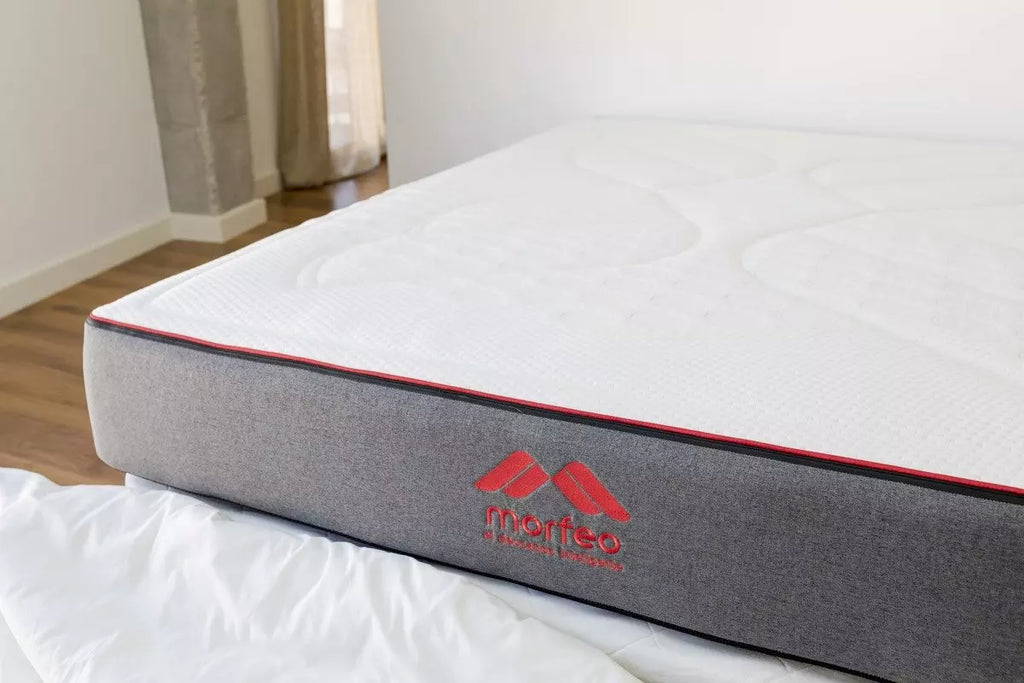
6. A good mattress
Above all, though, the single biggest factor in falling asleep and resting well is your mattress. A good mattress adapts to how you move and keeps your body properly aligned while you sleep. That means better rest, and far less chance of the back problems that come from sleeping on the wrong mattress.

If you work night shifts and sleep during the day and you want to improve the quality of your sleep, we invite you to try our mattress with no strings attached. You will feel the difference 😉