
How to Sleep Better with Kyphosis: Tips to Improve Your Rest
Kyphosis is a pretty common issue that affects lots of people and can really make life harder. The back pain that comes with it can mess with your sleep and leave you feeling tired all the time. In this article, we'll give you some helpful tips for sleeping with kyphosis and keeping that nighttime discomfort away.

What is kyphosis?
Kyphosis is basically when your back has to work too hard, showing up as an exaggerated curve in the upper part of your spine. It's often seen in older women and looks a bit like a hump. This can happen because your bones in that area get weaker, or it might be due to bad sleeping habits or even birth defects.
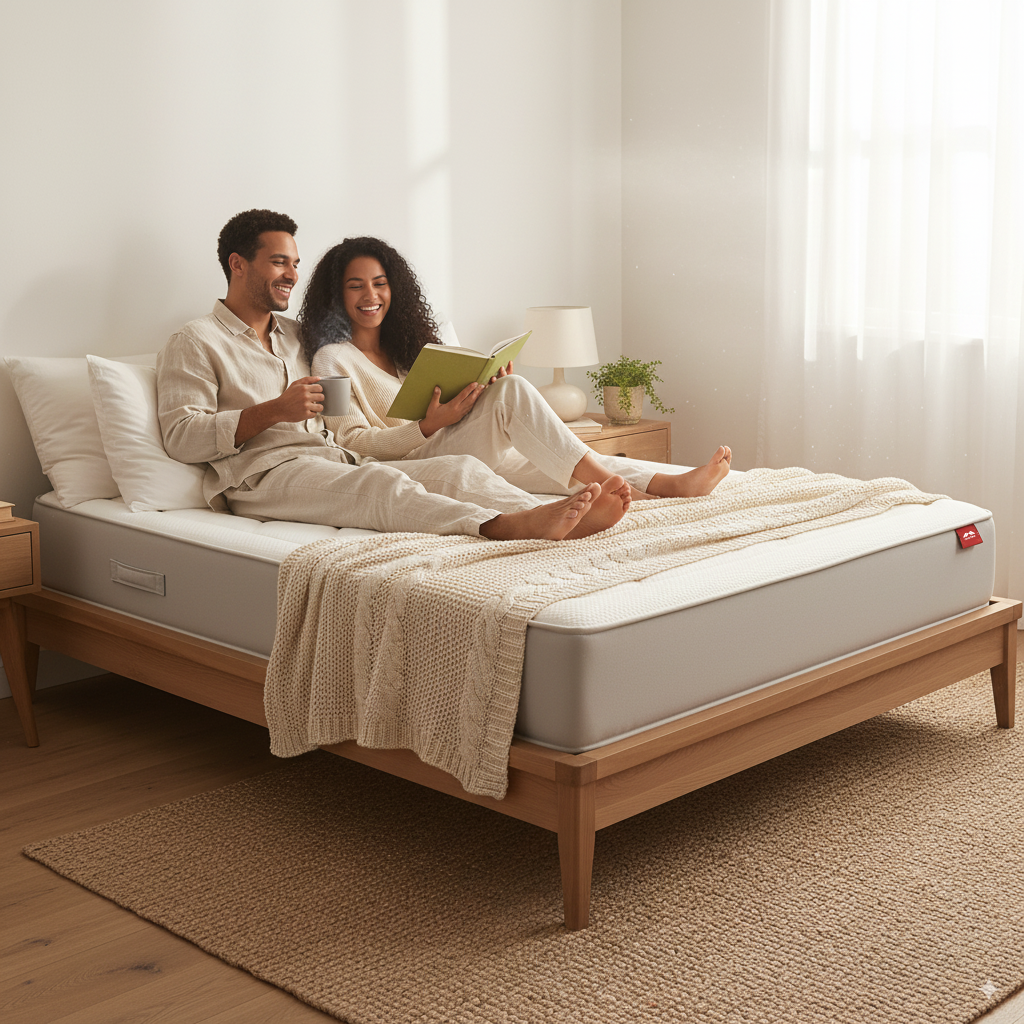
To keep your back in the best spot while you sleep, we suggest using adjustable beds to help keep your spine perfectly aligned. It's super important to pick a medium-firm to firm mattress that'll ease those aches and spread your body weight out nicely. Steer clear of mattresses that are too soft, as they can actually make kyphosis worse. Your whole sleep setup should move with you and take the pressure off those sore spots.
Even for kids and teens with kyphosis, these same tips apply. Plus, using a special ergonomic pillow that properly supports your neck can really help prevent those kyphosis-related pains.
How to treat kyphosis?
Sleeping with kyphosis can be a real pain, but don't worry, there are some tricks you can try to get better rest. Here are some handy tips to help you sleep sounder if you're dealing with kyphosis:
1. Choose the right mattress
Go for a medium-firm to firm mattress that gives your back awesome support and eases those kyphosis-related aches. Steer clear of super soft mattresses, as they just won't give you the support you need.
2. Grab an ergonomic pillow
Pick an ergonomic pillow that perfectly fits your neck and gives you just the right amount of support. This will help take the pressure off that sore spot and cut down on pain while you sleep.
3. Get into the right posture
Try to sleep on your side or back, and definitely avoid sleeping on your stomach, since that position can make your back's curve worse. Pop some pillows in just the right spots to keep your spine nicely aligned.
4. Do some stretches
Before you hit the hay, try some gentle stretches that really focus on your spine's flexibility. These can help ease any stiffness and even boost your posture while you sleep.
5. Keep up good posture habits
Throughout your day, keep an eye on your posture and try to steer clear of positions that could make kyphosis worse. Make sure you're practicing good posture in everything you do!
6. Think about getting an orthopedic mattress
If your kyphosis is pretty severe and needs extra support, you might want to look into an orthopedic mattress that's specially made to help with back issues. Chat with a specialist to get some tailored advice.
7. Do some strengthening exercises
Chat with a physical therapist to get some specific exercises that'll strengthen your back muscles and help improve your posture. These exercises can totally boost your medical treatment and get you better results if you're dealing with kyphosis.
8. Keep a healthy weight
Carrying extra weight can put more pressure on your spine and make kyphosis symptoms worse. So, try to keep a healthy weight with a balanced diet and regular exercise.
9. Avoid heavy lifting
Try to steer clear of lifting heavy stuff or doing activities that could put too much strain on your spine. If you absolutely have to, use ergonomic aids to make it easier on your body.
10. Talk to a Specialist
If you have kyphosis and find it hard to sleep or your symptoms are getting worse, it's super important to talk to a back health specialist. They can give you personalized advice and create a treatment plan that's just right for you.
Just remember, every case of kyphosis is unique and needs a personalized approach. Make sure to follow your doctor's and back health specialists' advice to get the best results. With time and the right care, you can totally improve your sleep quality and ease the pain that comes with kyphosis.
Pro tips for mattresses that are great for kyphosis
When you're picking out a mattress for someone with kyphosis, it's super important to think about specific things that can give them the support and comfort they need for a truly restful night's sleep. Spine health pros suggest mattresses with medium to high firmness because they hit that sweet spot between support and coziness. These mattresses help keep your spine properly aligned, preventing too much bending or stretching that could make kyphosis symptoms worse. Plus, mattresses with memory foam or latex layers are a great pick because they hug your body's contours, spreading weight evenly and easing pressure on key spots. It's also a good idea to consider a mattress with good ventilation to help keep your body temperature just right throughout the night.
Go ahead and try these handy tips to start enjoying a truly restful and comfy sleep!