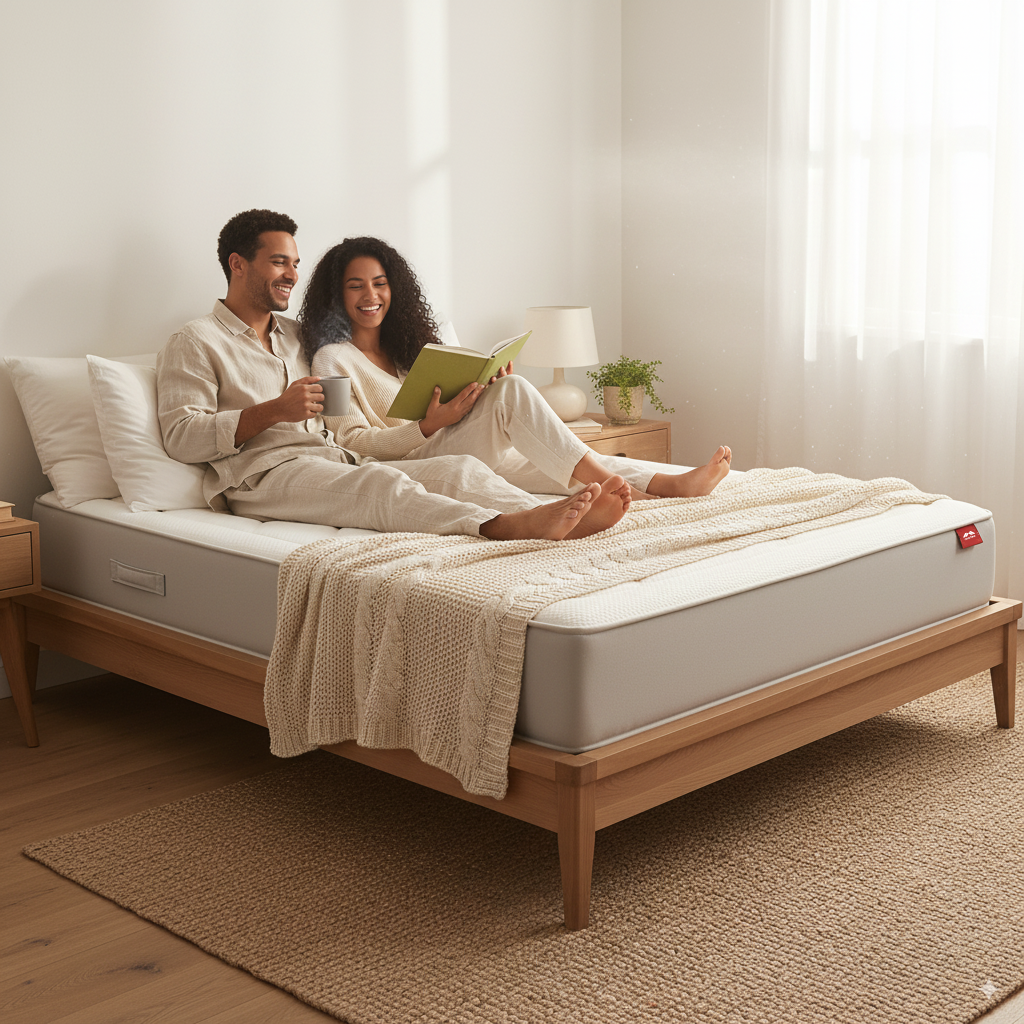

What is the best mattress for people with allergies?
Table of Contents
What is the best mattress for people with allergies?
If you suffer from allergies, you know how difficult it can be to find products that do not trigger reactions. And if you are looking for a new mattress, it can be especially difficult to find one that does not worsen your allergy symptoms. Fortunately, there are options available that are designed specifically for people with allergies and chemical sensitivities. In this article, we will explore what features a good mattress for people with allergies should have and how to choose the best mattress for you.
What makes a mattress good for
people with allergies?
There are several features that make a mattress good for people with allergies. Some of them include:
• Natural materials: Mattresses made with natural materials such as organic latex, organic cotton, and organic wool are a good option for people with allergies. They tend to breathe well and resist dust mites better. Note: if you have a latex allergy, avoid mattresses that contain it.
• Hypoallergenic cover: The mattress cover is also important. A good mattress for people with allergies should have a hypoallergenic cover that does not contain synthetic or chemical materials that could irritate the skin or eyes. Organic cotton or linen covers are the most popular options. If you are interested, the Altus mattress features a linen outer fabric, a natural and breathable fiber.
• Dust and dust mite resistant: Dust mites are one of the main causes of allergies in the home. A good mattress for people with allergies should be resistant to dust mites and other common allergens, such as mold and pollen. Some mattresses come with special treatments to make them more resistant to these allergens.
• Certifications: Look for mattresses that have certifications from recognized organizations that back up their safety and quality. Some of these certifications include OEKO-TEX, GOTS (Global Organic Textile Standard), Greenguard Gold, CertiPUR-US, and the USDA Organic seal.
What materials are best for
people with allergies?
As mentioned earlier, natural materials are a good option for people with allergies. Some of the most popular materials for natural mattresses include:
• Organic latex: Organic latex is extracted from rubber trees and is a natural and durable material. Natural latex is resistant to dust mites, although it is not suitable if you have a latex allergy. It is also a breathable material that helps regulate temperature during the night.
• Organic cotton: Organic cotton is a natural and soft material that is hypoallergenic and does not irritate the skin. It is breathable and helps maintain a comfortable temperature during the night.
• Organic wool: Organic wool is a natural and soft material that is hypoallergenic and resistant to fungi and bacteria that develop over time in the mattress
Antimicrobial treatments
Some mattresses come with antimicrobial treatments to prevent the growth of bacteria, mold, and fungi. These treatments can be an excellent option for people with allergies, as they can reduce the amount of allergens in the mattress. However, it is important to keep in mind that some of these treatments may contain chemicals that can be irritating to some people. If you choose a mattress with an antimicrobial treatment, it is important to make sure it is safe and effective for people with allergies. For example, the outer fabric of the Original Hybrid is Stretch Sanitized®, with a hygienic treatment, and its cover is removable and washable at 30 °C.
Hypoallergenic mattress covers
Hypoallergenic mattress covers or mattress protectors are an excellent option for people with allergies. These covers are designed to protect the mattress from allergens and reduce people's exposure to them. Hypoallergenic mattress covers are made of allergen-resistant materials and can be easily removed for washing.
If you are looking for one, the Tencel protector from Morfeo is waterproof and breathable, and it is washed at a maximum of 30 °C.
Mattress firmness
The mattress firmness affects your comfort and how your back rests, but when it comes to allergies, something else matters more: that the mattress breathes well and does not accumulate moisture, because moisture favors dust mites.
A soft mattress is not worse in itself for allergies; what should be avoided are materials that do not breathe well and retain moisture. For your back, look for a firmness that keeps the spine aligned according to your weight and posture.
In practice: choose the firmness (from a firm mattress to a medium-firm one) for comfort and according to your weight and posture; for allergies, prioritize breathability, a washable protector, and regular cleaning.
Are foam mattresses hypoallergenic?
Foam mattresses can be hypoallergenic if they use specific materials with certifications that prove no chemicals or derivatives were used in their manufacturing. However, many foam mattresses may contain chemicals that can be irritating to some people with allergies. If you are considering a foam mattress, it is important to make sure it is made with hypoallergenic materials and that it can be easily cleaned. If you have doubts, prioritize breathable materials and add a washable mattress protector.
Is it important to clean the mattress regularly to avoid allergens?
Yes, it is very important to clean the mattress regularly to prevent the accumulation of allergens. Dust mites and other allergens accumulate in the mattress over time, which can worsen the symptoms of allergic people. To keep the mattress clean, it is recommended to regularly vacuum the surface of the mattress and wash the bedding often. In addition, using a hypoallergenic cover is also a good measure to reduce exposure to allergens.
Sleeping with allergies
A mattress that is easy to keep clean and a washable protector
Against dust mites, what helps most is being able to wash what is in contact with you. This is the combination we propose.
 Original Hybrid Mattress
Stretch Sanitized® outer fabric and removable cover washable at 30 °C: you can wash it regularly.
View the Original Hybrid Tencel Protector
Waterproof and breathable: it acts as a barrier between you and the mattress and is washed at a maximum of 30 °C.
View the protectorIt is not a treatment: if you have allergies, follow the instructions of your allergist.
100-night trial on mattresses · 10-year warranty · free shipping in the peninsula · made in Spain
Conclusion:
In summary, it is essential for allergic people to choose a suitable mattress that does not cause them health problems. Choosing a hypoallergenic mattress, made of natural materials, and with an easily washable cover can help you reduce exposure to allergens while you sleep. If symptoms persist, consult your allergist. In addition, it is important to keep the mattress clean and free of dust and dust mites.