How to create a restful sleeping environment
Share
Have you ever woken up feeling like you haven't slept enough or that your sleep hasn't been restful?
It has happened to all of us at some point. Lack of sleep can affect our mood, productivity, and overall well-being. Fortunately, there are things we can do to improve the quality of our sleep and wake up feeling refreshed and rested.
In this article, we will give you some tips and tricks for creating the ideal environment to help you get a good night's sleep every night.
From the choice of right colors for the walls to the lighting and scents, we'll give you all the tools you need to create the perfect dream space.
So, keep reading and get ready to sleep better than ever.
How to create a restful sleeping environment
The sleep quality is essential for maintaining a healthy and active life. To ensure optimal rest, it is important to create an environment of restful sleepIn this article, we will explore the key aspects to consider when designing and maintaining an adequate rest area.
1. Light
Light plays a crucial role in regulating our sleep-wake cycles. The hormone melatonin, also known as the "darkness hormone," is released in low light conditions and suppressed when light is present. Therefore, it is essential to maintain a dark environment during the night.
The blue light emitted by electronic devices such as cell phones, tablets, and televisions can negatively affect melatonin production, making it difficult to sleep. Try to avoid using these devices at least one hour before bedtime.
Invest in blackout curtains or blinds that block out external light. This will help you keep your sleeping environment dark, even when there is sunlight early in the morning or artificial lighting at night.
Be sure to turn off all unnecessary lights in the room and surrounding areas before going to sleep. If necessary, use dim lights or night lamps with a soft, warm light.
Resting area
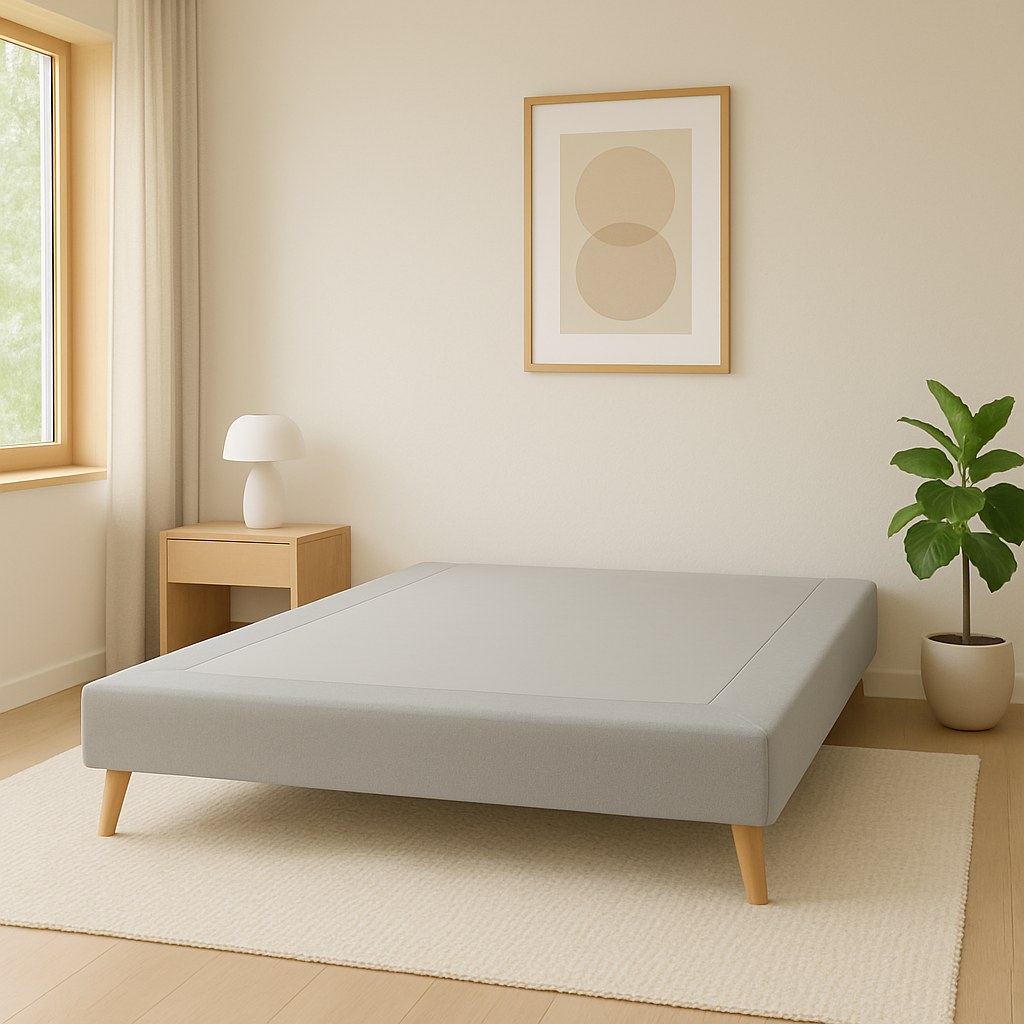
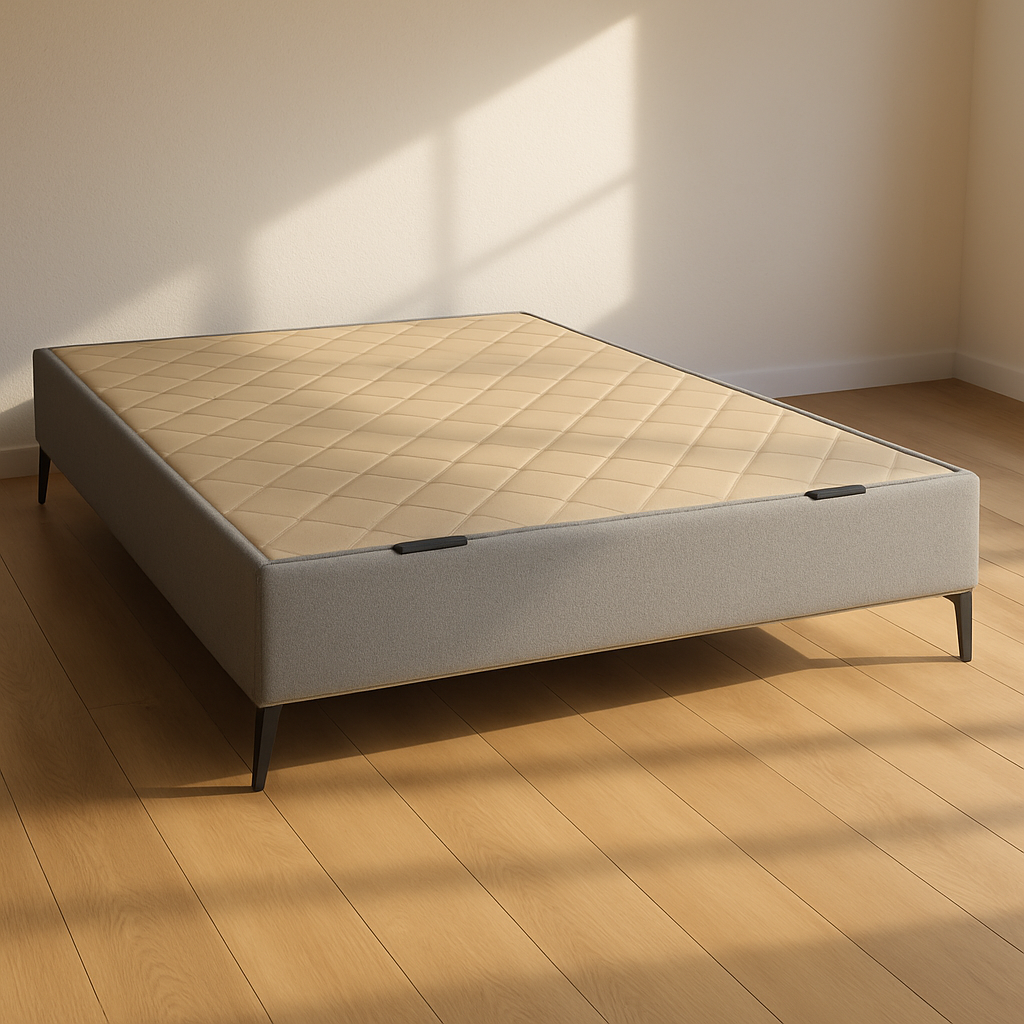
A comfortable and cozy bed is essential for enjoying restful sleep. There are several factors to consider when choosing and maintaining the right sleeping surface.
The ideal mattress should suit your personal needs and preferences. Consider firmness, material type, support, and durability when choosing a mattress. Don't hesitate to invest in a quality mattress, as it is a long-term investment in your health and well-being.
The right pillow should provide adequate support for your head and neck, preventing pain and discomfort. There is a wide variety of pillows available on the market, with different materials and levels of firmness. Choose the one that best suits your needs and preferences.
d bedding should be comfortable, soft, and breathable. Invest in good-quality sheets and pillowcases, preferably made from natural materials such as cotton or linen. Also, be sure to change your bedding regularly to maintain a clean and fresh environment.
Choose a quilt that regulates body temperature and extra blankets for colder seasons. This will help you maintain a comfortable temperature throughout the night, preventing you from waking up due to extreme heat or cold.3. Noise
Noise can interrupt our sleep and negatively affect the quality of our rest. Take steps to reduce or eliminate noise in your sleeping environment.
Close windows and doors to block out external noises such as traffic, noisy neighbors, or animals. If necessary, consider using soundproofing on windows or walls.
Be sure to turn off all electronic devices that may generate noise, such as televisions, computers, and appliances. If there are persistent noises, such as a dripping faucet, fix the problem before going to sleep.
If you still experience sleep interruptions due to noise, consider using earplugs. These devices can help block out unwanted noise and improve sleep quality.
Bed = Sleeping
Limit activities in bed to sleeping and sex only. Avoid watching television, working, eating, or using electronic devices in bed. This will help your body associate bed with rest and sleep only.
5. Temperature
Maintain a comfortable temperature in your bedroom to help you sleep. Most experts recommend a temperature between 16ºC and 20ºC. Adjust your heating or air conditioning as needed and use appropriate bedding to maintain the ideal temperature.

6. Pajamas
Wear specific sleepwear that is comfortable, soft, and breathable. This will help signal to your body that it is time to relax and sleep. Also, make sure your pajamas are appropriate for the temperature of the room and the season.

7. Fresh, clean air
Ventilate the room regularly to maintain a fresh and clean environment. Fresh air is essential for restful sleep and can help eliminate unwanted odors, allergens, and airborne pollutants.
Open windows during the day to allow air to circulate. If this is not possible due to noise or pollution, consider using an air purifier to maintain air quality in the room.
Add plants to your bedroom, as they can help purify the air and add a touch of nature to your sleeping environment. Some recommended plants for the bedroom include mother-in-law's tongue, areca palm, and pothos.

8. Aromatherapy
Scents can have a significant impact on our mood and well-being. Use essential oils or scented candles to create a relaxing atmosphere in your room. Some recommended scents for improving sleep include lavender, chamomile, bergamot, and cedar.
An essential oil diffuser can be an excellent tool for dispersing aromas throughout a room. Be sure to follow the manufacturer's instructions and use high-quality essential oils.
Consider using a pillow spray with relaxing scents before bedtime. This can help create a more sleep-friendly environment and improve the quality of your rest.

9. Nighttime routine
Establishing a consistent nighttime routine can help prepare your mind and body for sleep. Include relaxing activities such as reading, taking a warm bath, meditating, or practicing deep breathing exercises before bed.

10. Avoid stimulants
Limit your intake of stimulants such as caffeine, nicotine, and alcohol before bedtime. These substances can negatively affect the quality and duration of your sleep.
Try to avoid caffeine at least 4-6 hours before bedtime, as it can keep us awake and alert.
Although alcohol can help us relax and fall asleep more quickly, it can also affect the quality of sleep, causing nighttime awakenings and fragmented sleep.
In conclusion
Creating a restful sleeping environment is essential for enjoying quality sleep and maintaining a healthy lifestyle. Keep these tips in mind and adjust your sleeping space according to your personal needs and preferences. Don't underestimate the importance of good sleep and the difference it can make in your daily life.