
5 terapias de relajación para rejuvenecer tu mente y tu cuerpo
Beneficios de las terapias de relajación
Las terapias de relajación tienen numerosos beneficios, tanto físicos como mentales. Cuando estamos estresados, nuestro cuerpo libera cortisol, una hormona que puede causar una serie de problemas de salud, como hipertensión, enfermedades cardíacas y obesidad. Las terapias de relajación pueden reducir los niveles de cortisol en nuestro organismo, disminuyendo así el riesgo de sufrir estos problemas de salud.
Las terapias de relajación también pueden ayudarnos a gestionar mejor nuestras emociones. Al calmar nuestra mente, podemos reducir emociones negativas como la ira, la frustración y la ansiedad. Esto puede mejorar nuestras relaciones y nuestro bienestar general.
Meditación de atención plena
Relajación muscular progresiva
La relajación muscular progresiva es una técnica que consiste en tensar y relajar diferentes grupos musculares del cuerpo. Puede ayudar a reducir la tensión muscular, la ansiedad y el estrés. Para practicar la relajación muscular progresiva, busca un lugar tranquilo y siéntate o túmbate cómodamente. Empiece por tensar los músculos de los dedos de los pies durante unos segundos y, a continuación, relájelos. Asciende por el cuerpo, tensando y relajando cada grupo muscular.
Yoga
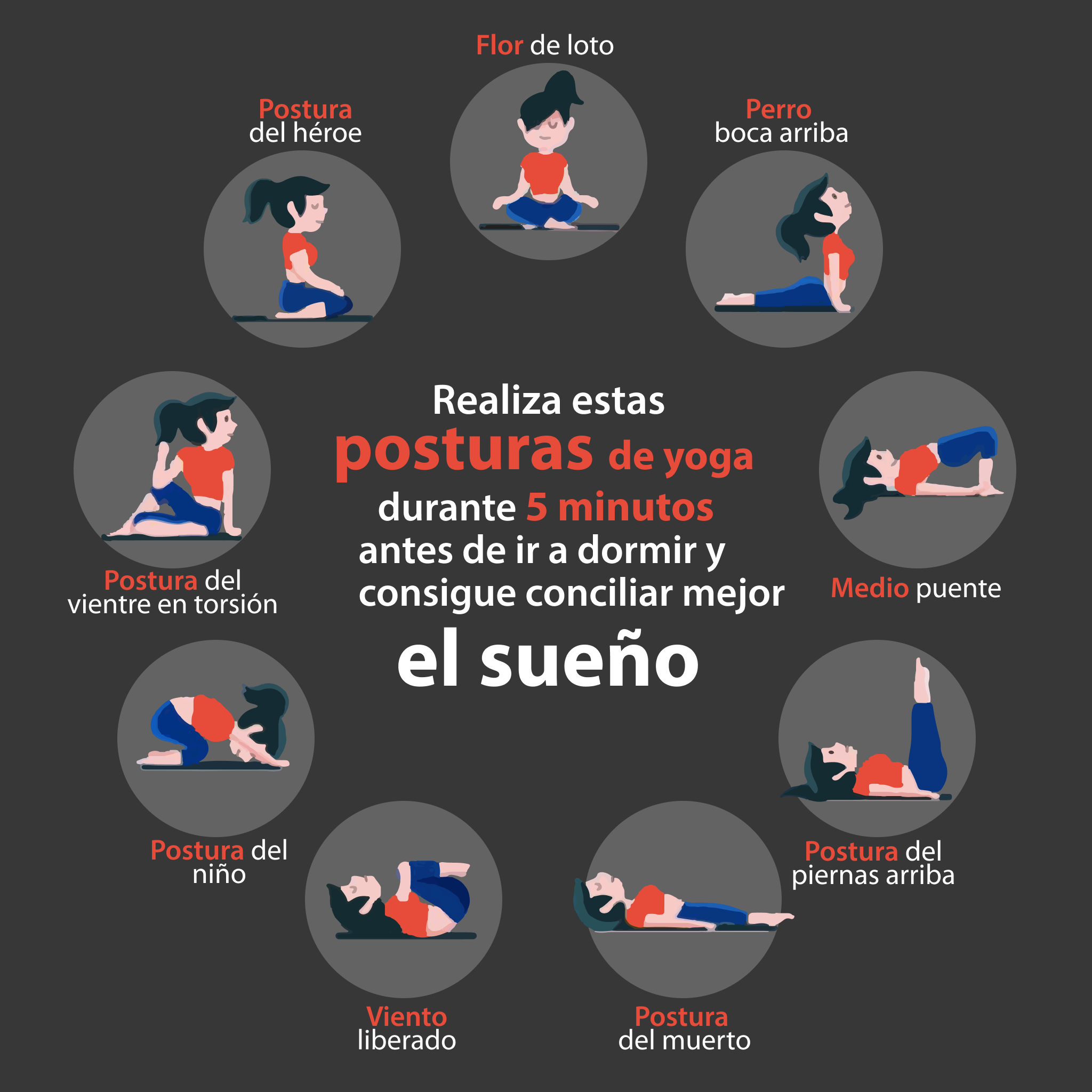
El yoga es una técnica de relajación que incluye posturas físicas, ejercicios de respiración y meditación. Se ha demostrado que reduce el estrés, la ansiedad y la depresión. Hay muchos tipos diferentes de yoga, por lo que es importante encontrar un estilo que funcione para ti. Para practicar yoga, busca una clase o un vídeo en Internet que se adapte a tus necesidades y capacidades
Terapia de flotación
La terapia de flotación es una técnica de relajación que consiste en flotar en un tanque de agua caliente lleno de sal de Epsom. El agua se calienta a la temperatura corporal, y la alta concentración de sal le hace flotar sin esfuerzo. Se ha demostrado que la terapia de flotación reduce el estrés, la ansiedad y el dolor. También puede mejorar la calidad del sueño y potenciar la creatividad.
Cómo elegir la terapia de relajación
Incorpore terapias de relajación a tu rutina diaria
Conclusión