
Jet Lag No More: The Art of Adjusting to Time Zones
Share
Traveling to other countries and crossing multiple time zones is an amazing experience, but it can also take a toll on your rest. Jet lag is one of sleep's biggest enemies after a long trip and can affect your energy, concentration, and well-being for days.
The good news is that you can minimize jet lag if you know how to help your body adapt... and getting good rest plays a key role.
What is jet lag and why does it affect your sleep?
Jet lag is a temporary sleep disorder that pops up when your internal biological clock (circadian rhythm) doesn't match the time zone of your travel destination. This happens especially on long flights heading east or west.
Your body keeps 'thinking' it's still on your home time, which causes imbalances in:
- When you start feeling sleepy
- The quality of your night's rest
- Your energy levels during the day
Sleeping poorly for several days in a row doesn't just impact your trip; it also affects your physical and mental recovery when you get back home.
Common jet lag symptoms
Jet lag symptoms vary from person to person and depend on how many time zones you cross, but the most common ones are:
- Trouble falling asleep or waking up too early
- Feeling constantly tired during the day
- Lack of concentration and poor performance
- Irritability and mood swings
- Feeling like you haven't really rested, even after sleeping for hours
All these symptoms have one thing in common: you're not getting quality rest.
How to get used to a new time zone quicker
Tweak your routine before you travel
If you can plan ahead, try adjusting your schedule a few days before your trip:
-
Traveling east? Try going to bed and waking up a bit earlier each day
-
Heading west? Gradually shift your schedule later
This little tweak can really help lessen the impact of jet lag.
Natural Light and Your Body Clock
Sunlight is super powerful when it comes to regulating your body's internal clock.
-
Get some natural light in the morning once you reach your destination
-
Steer clear of screens and bright lights at night
-
Go for a walk outside whenever you get a chance
This naturally helps you adjust to the new time zone faster.
Food and Hydration
During and after your flight:
-
Drink plenty of water
-
Skip the alcohol
-
Cut back on caffeine, especially in the afternoon
Staying well-hydrated and eating light meals helps your body get better rest at night.
The Super Important Role of Nighttime Rest
Here's something many people often miss:
it's not just about sleeping, it's about sleeping well.
After a long trip, your body really needs deep, restorative sleep to get its internal rhythms back on track. Having the right sleep environment —think quiet, dark, and a comfy mattress— can totally change whether you're battling jet lag for days or bouncing back much quicker.
Why a Good Mattress Helps You Beat Jet Lag
If you're sleeping on a mattress that isn't right for your body, it can mess with your sleep quality, make you wake up more often at night, and slow down your recovery after a trip.
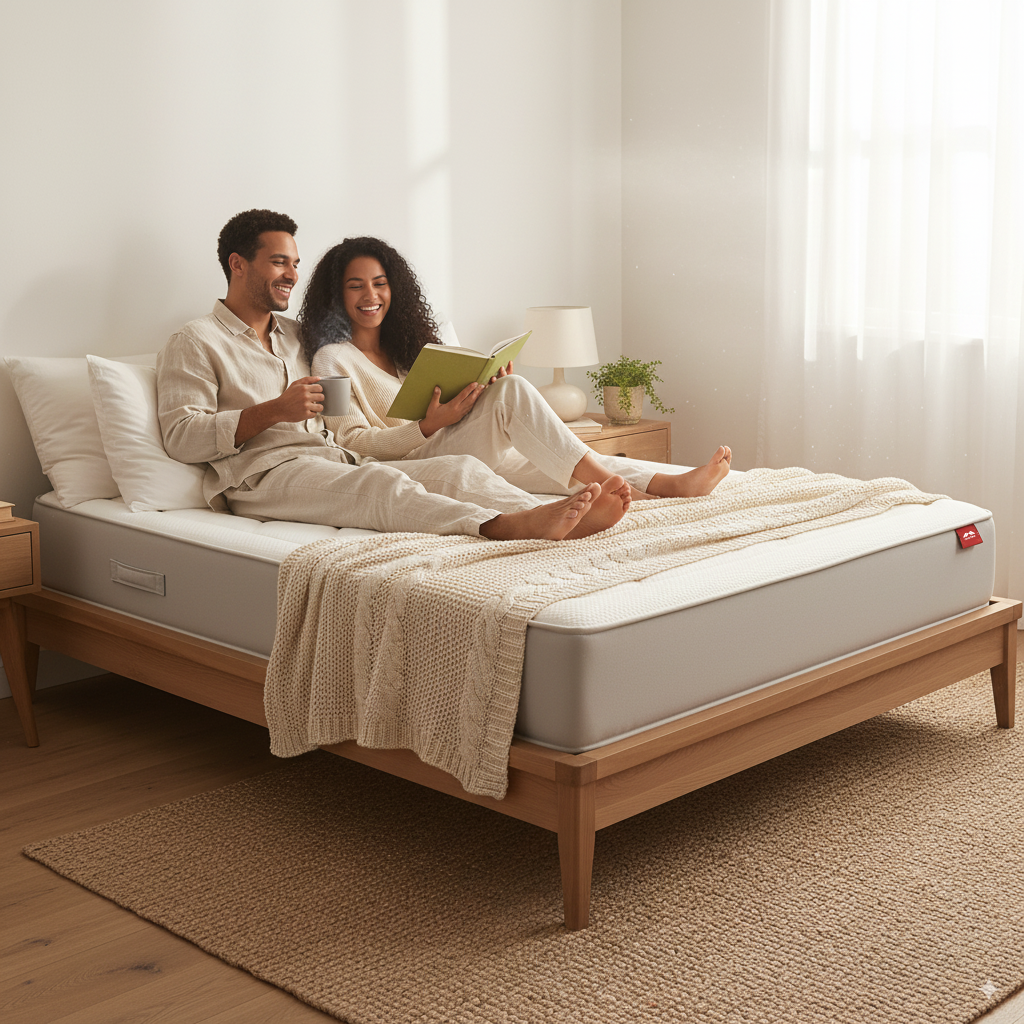
A mattress for better sleep, like the
👉 Morfeo Original Mattress,
is designed to:
-
Keep your spine aligned
-
Reduce pressure points
-
Promote deep, continuous rest
-
Help you wake up with more energy
When your body truly rests, adjusting to time zones becomes much quicker.
Sleep better after traveling with Morfeo
At Morfeo, we believe that rest transforms how you feel every day. That's why we design mattresses that adapt to you, not the other way around.
If you struggle to catch up on sleep after a long flight, improving your nightly rest is the first step. A good mattress can help you:
-
Sleep deeply from the very first night
-
Reduce that feeling of accumulated fatigue
-
Get back to your routine with more energy and mental clarity
👉 Discover how to improve your rest with Morfeo mattresses and turn every night into a true recovery.
Frequently Asked Questions about jet lag
How many days does jet lag last?
It usually lasts between 2 and 5 days, depending on how many time zones you cross and the quality of your rest during that period.
Does sleeping well help you beat jet lag?
Yes. Deep, continuous sleep speeds up your circadian rhythm's adjustment and reduces jet lag symptoms.
Does your mattress affect how you recover from jet lag?
Totally! A mattress that helps you get deep rest improves your sleep quality and helps your body recover faster after your trips.
Traveling changes your schedule. Sleeping well changes how you experience it.
Tomorrow starts tonight with Morfeo.