
What's the best mattress for people with allergies?
Share
What's the best mattress for people with allergies?
If you suffer from allergies, you know how tough it can be to find products that don't trigger reactions. And if you're on the hunt for a new mattress, it can feel extra hard to find one that won't make your allergy symptoms worse. Luckily, there are options out there specifically designed for folks with allergies and chemical sensitivities. In this article, we'll dive into what features a good mattress for allergy sufferers should have and how to pick the best one for you.
What makes a mattress good for
allergy sufferers?
There are several features that make a mattress great for allergy sufferers. Some of these include:
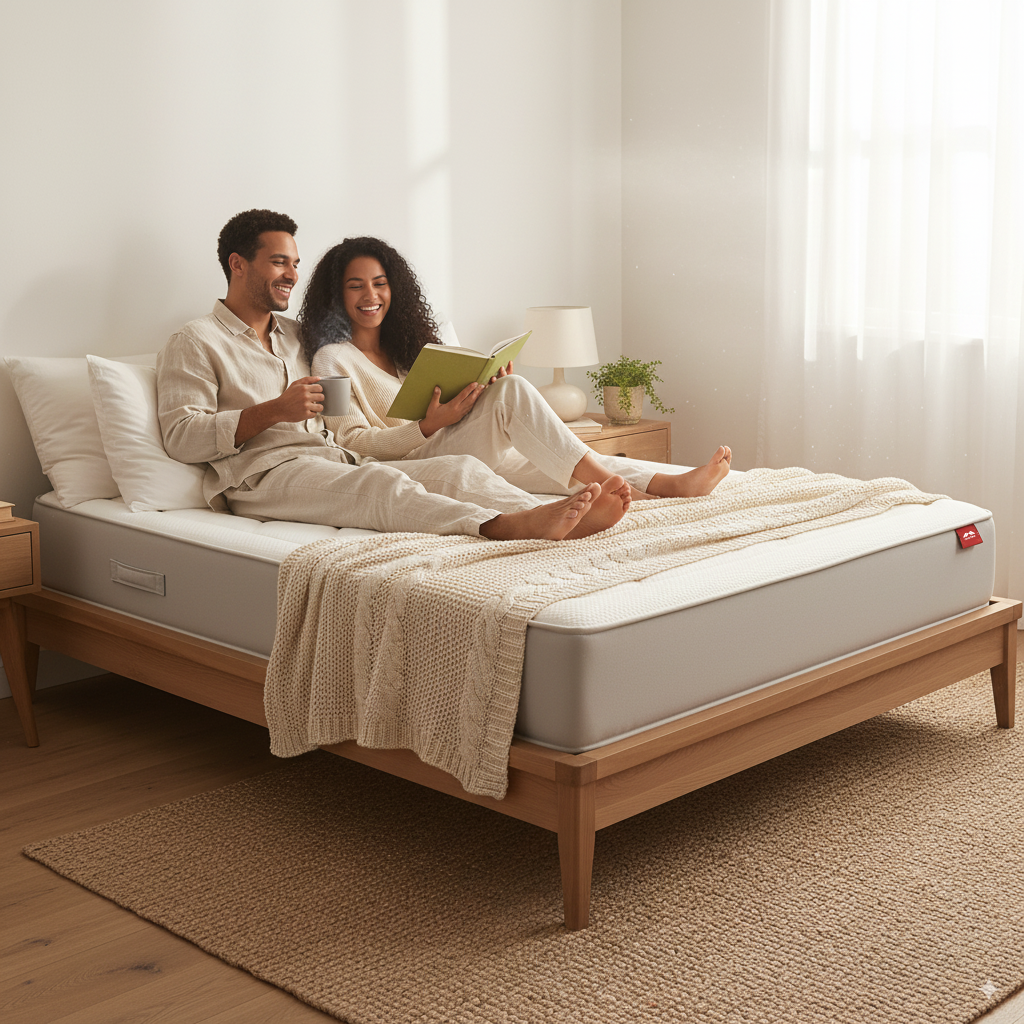
• Hypoallergenic Cover: The mattress cover is super important too. A good mattress for allergy sufferers should have a hypoallergenic cover that's free from synthetic materials or chemicals that might irritate your skin or eyes. Organic cotton or linen covers are the most popular choices. If you're interested, check out our Morfeo Altus because it has these hypoallergenic features!
• Dust and Mite Resistant: Dust mites are one of the biggest culprits for allergies at home. A good mattress for allergy sufferers should be resistant to dust mites and other common allergens like mold and pollen. Some mattresses even come with special treatments to make them extra resistant to these allergens.
• Certifications: Look for mattresses that have certifications from recognized organizations that vouch for their safety and quality. Some of these certifications include OEKO-TEX, GOTS (Global Organic Textile Standard), Greenguard Gold, CertiPUR-US, and the USDA Organic seal.
What are the best materials for
allergy sufferers?
As we mentioned before, natural materials are a great choice for allergy sufferers. Some of the most popular materials for natural mattresses include:
• Organic Cotton: Organic cotton is a natural, soft material that's hypoallergenic and won't irritate your skin. It's breathable and helps keep you comfy all night long.
• Organic Wool: Organic wool is a natural, soft material that's hypoallergenic and resists the fungi and bacteria that can build up in your mattress over time.
Antimicrobial Treatments
Some mattresses come with antimicrobial treatments to stop bacteria, mold, and fungi from growing. These treatments can be a fantastic choice for people with allergies, as they can cut down on the allergens in your mattress. Just keep in mind that some of these treatments might have chemicals that could irritate certain people. If you're picking a mattress with an antimicrobial treatment, make sure it's safe and works well for allergy sufferers. For instance, the Sanitized treatment on our Morfeo Hybrid fabric is specially recommended for people with allergies and sensitive skin, thanks to its ISO certifications.
Hypoallergenic Mattress Covers
Hypoallergenic mattress covers or protectors are a great choice for anyone with allergies. These covers are designed to shield your mattress from allergens and lessen your exposure to them. Hypoallergenic mattress covers are made from allergen-resistant materials and can be easily removed for washing.
If you're looking for one of these covers, we've got the best options right here, made with natural materials like bamboo.
Mattress Firmness
The mattress firmness is a crucial factor that can really affect sleep quality for people with allergies. Firm mattresses are better at preventing dust and allergen buildup, making them the ideal choice for anyone dealing with respiratory allergies.
A soft mattress, on the other hand, might not be as good at preventing allergen buildup. Softer materials can hold onto moisture, creating a perfect spot for dust mites and bacteria to thrive. Plus, a soft mattress might not give your spine the right support, which could make back pain and other related issues worse.
Generally, going for a firm mattress can be really good for your overall health. Firm mattresses give your spine better support and can help ease back pain. They're also better at stopping allergens from building up, making them a perfect pick for anyone with respiratory allergies. So, when you're choosing a mattress, it's super important to think about firmness and how it benefits your long-term health.
Are foam mattresses hypoallergenic?
Foam mattresses can be hypoallergenic if they use specific materials and have certifications proving no chemicals or derivatives were used in their making. However, many foam mattresses can contain chemicals that might irritate some people with allergies. If you're thinking about a foam mattress, it's important to make sure it's made with hypoallergenic materials and is easy to clean. Still, I'd lean more towards natural mattresses with natural viscose or organic latex.
Is it important to clean your mattress regularly to avoid allergens?
Yep, it's super important to clean your mattress regularly to stop allergens from building up. Dust mites and other allergens gather in your mattress over time, which can make allergy symptoms worse. To keep your mattress clean, we recommend regularly vacuuming the surface and washing your bedding often. Plus, using a hypoallergenic cover is also a great way to cut down on allergen exposure.
Conclusion:
So, to sum it up, it's really key for allergy sufferers to pick the right mattress that won't cause them health issues. Choosing a hypoallergenic mattress made from natural materials with an easily washable cover can significantly reduce allergy symptoms. And don't forget, keeping your mattress clean and free of dust and mites is super important too!