
Cómo corregir la cifosis durmiendo: consejos para dormir con cifosis y mejorar tu descanso
La cifosis es una dolencia común que afecta a muchas personas y puede dificultar su calidad de vida. Los dolores de espalda asociados a esta condición pueden interferir con el sueño y provocar cansancio constante. En este artículo, te proporcionaremos consejos útiles para dormir con cifosis y evitar el malestar durante la noche.
Índice de Contenido

¿Qué es la cifosis?
La cifosis es una postura de sobre esfuerzo de la espalda que se caracteriza por una curvatura exagerada en la mitad superior de la columna vertebral. Esta condición suele ser más común en mujeres de edad avanzada y se manifiesta como una especie de joroba. La cifosis puede ser causada por el debilitamiento de los huesos en la zona, pero también puede estar relacionada con malas posturas al dormir o malformaciones.
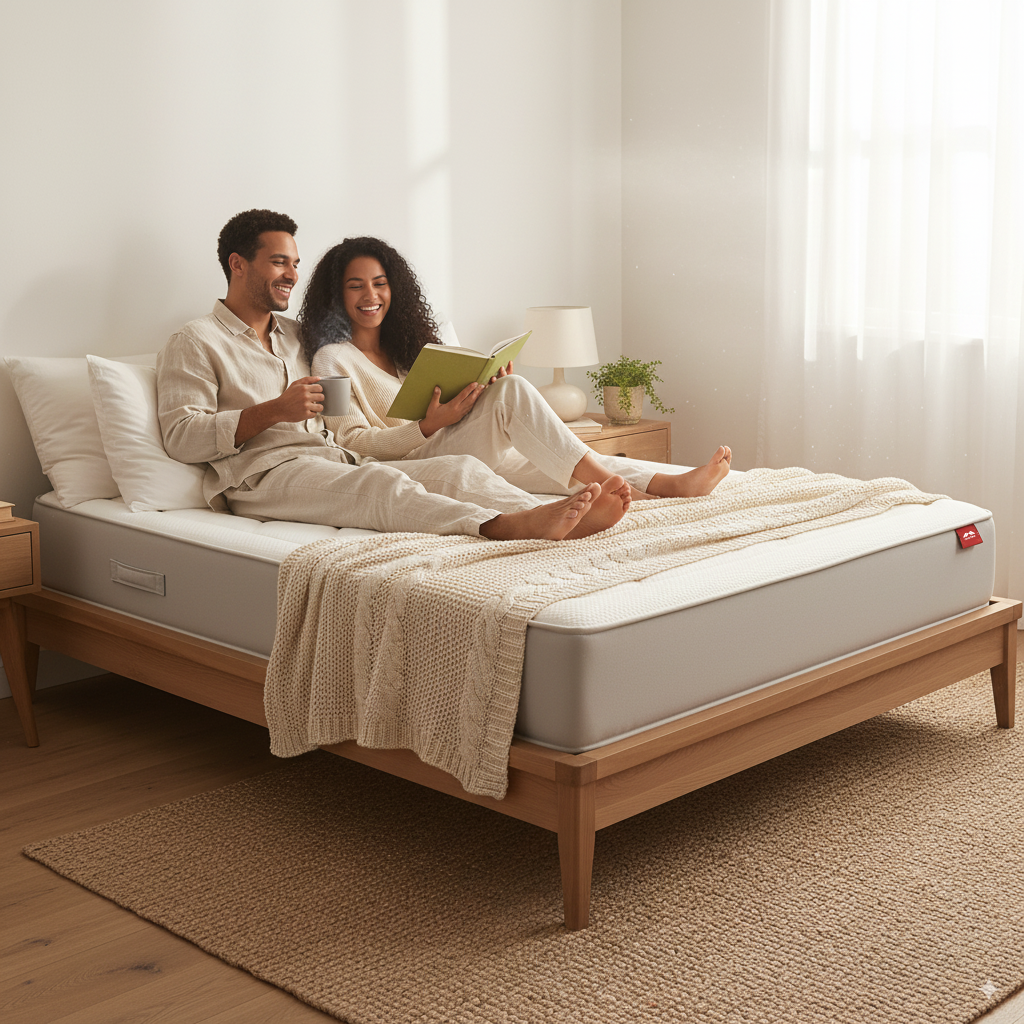
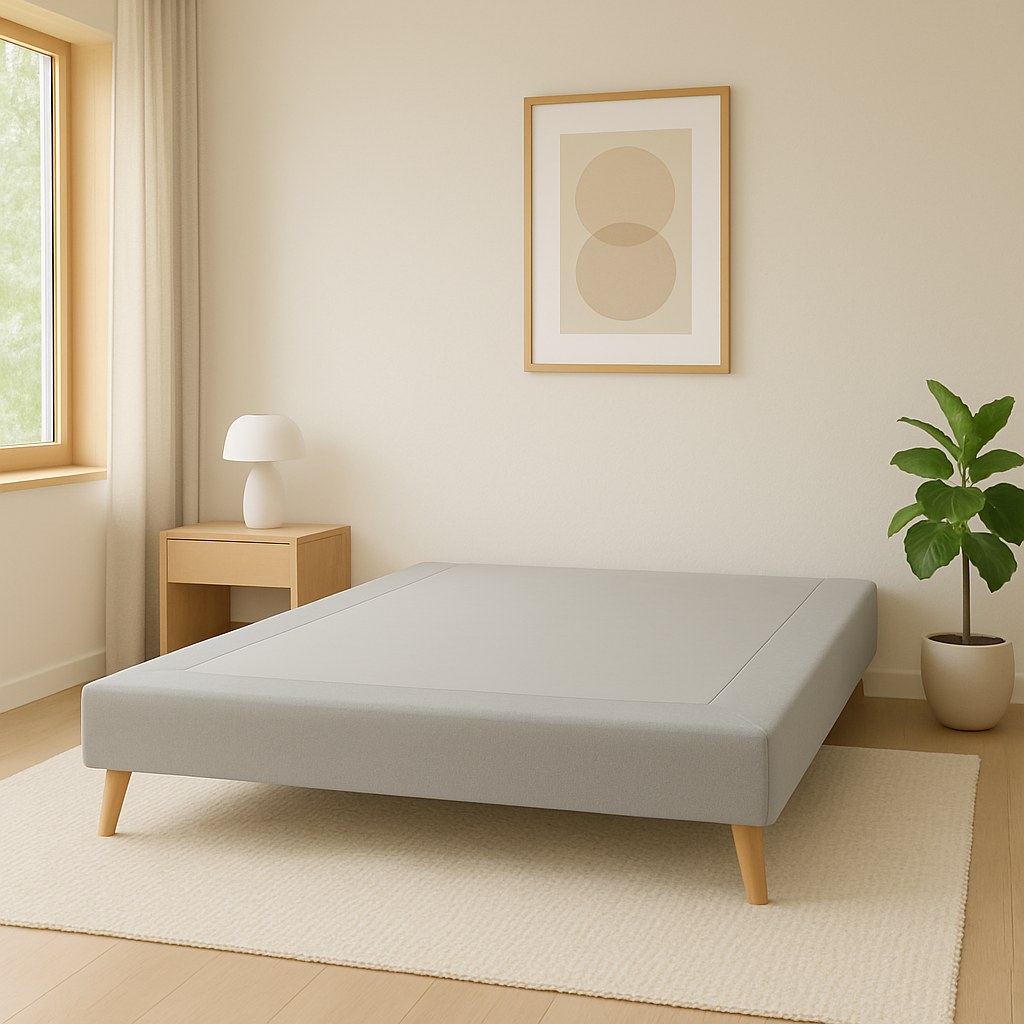
Para asegurar una posición óptima de la espalda durante el sueño, se recomienda el uso de camas articuladas que permitan mantener una alineación correcta de las vértebras. Es importante elegir un colchón de firmeza media-alta que alivie los dolores y distribuya uniformemente el peso del cuerpo. Evita los colchones demasiado blandos, ya que pueden empeorar el estado de la espalda con cifosis. El equipo de descanso debe adaptarse a tus movimientos y reducir la presión en la zona afectada.
Incluso en el caso de niños y adolescentes con cifosis, se aplican las mismas recomendaciones. Además, el uso de una almohada anatómica que se ajuste correctamente a las cervicales puede ser beneficioso para evitar dolores asociados a la cifosis.
¿Cómo tratar la cifosis?
Dormir con cifosis puede resultar incómodo, pero existen algunas estrategias que puedes adoptar para mejorar tu descanso. A continuación, te ofrecemos algunos consejos prácticos que te ayudarán a dormir mejor si padeces cifosis:
1. Elige el colchón adecuado
Opta por un colchón de firmeza media-alta que brinde un buen soporte a tu espalda y alivie los dolores asociados a la cifosis. Evita los colchones demasiado blandos, ya que no proporcionarán el nivel de apoyo necesario.
2. Utiliza almohadas anatómicas
Elige una almohada anatómica que se ajuste correctamente a tus cervicales y proporcione el nivel de soporte adecuado. Esto ayudará a aliviar la presión en la zona afectada y reducirá los dolores durante el sueño.
3. Adopta una postura correcta
Intenta dormir de lado o boca arriba, evitando dormir boca abajo, ya que esta posición puede agravar la curvatura de la espalda. Coloca almohadas estratégicamente para mantener una alineación adecuada de la columna vertebral.
4. Realiza ejercicios de estiramiento
Antes de acostarte, realiza ejercicios suaves de estiramiento que se centren en la flexibilidad espinal. Estos ejercicios pueden ayudar a aliviar la rigidez y mejorar la postura durante el sueño.
5. Mantén una buena higiene postural
A lo largo del día, presta atención a tu postura y evita adoptar posiciones que puedan agravar la cifosis. Mantén una buena higiene postural en todas tus actividades diarias.
6. Considera el uso de un colchón ortopédico
Si la cifosis es severa y requiere un mayor nivel de soporte, puedes considerar el uso de un colchón ortopédico diseñado específicamente para corregir problemas de espalda. Consulta a un especialista para obtener recomendaciones personalizadas.
7. Realiza ejercicios de fortalecimiento
Consulta con un fisioterapeuta para obtener ejercicios específicos que fortalezcan los músculos de la espalda y ayuden a mejorar la postura. Estos ejercicios pueden complementar el tratamiento médico y mejorar los resultados en casos de cifosis.
8. Mantén un peso saludable
El exceso de peso puede ejercer presión adicional en la columna vertebral y agravar los síntomas de la cifosis. Mantén un peso saludable a través de una dieta equilibrada y ejercicio regular.
9. Evita la sobrecarga de peso
Evita levantar objetos pesados o realizar actividades que puedan ejercer una sobrecarga en la columna vertebral. Si es necesario, utiliza ayudas ergonómicas para minimizar el esfuerzo físico.
10. Consulta a un especialista
Si padeces cifosis y experimentas dificultades para dormir o un empeoramiento de los síntomas, es importante consultar a un especialista en salud de la espalda. Ellos podrán brindarte recomendaciones personalizadas y diseñar un plan de tratamiento adecuado a tu situación.
Recuerda que cada caso de cifosis es único y requiere un enfoque individualizado. Sigue las recomendaciones de tu médico y especialistas en salud de la espalda para obtener los mejores resultados. Con el tiempo y el cuidado adecuado, es posible mejorar la calidad de tu descanso y reducir los dolores asociados a la cifosis.
Recomendaciones profesionales para colchones adecuados para cifosis
Al seleccionar un colchón para personas con cifosis, es crucial considerar factores específicos que pueden proporcionar el soporte y confort necesario para una noche de sueño reparador. Los expertos en salud de la columna recomiendan colchones de firmeza media a alta, ya que ofrecen un equilibrio óptimo entre soporte y comodidad. Estos colchones ayudan a mantener la alineación correcta de la espina dorsal, evitando la excesiva flexión o extensión de la columna que puede exacerbar los síntomas de la cifosis. Además, los colchones con capas de espuma viscoelástica o látex son preferibles, ya que se adaptan al contorno del cuerpo, distribuyendo el peso uniformemente y aliviando la presión en puntos clave. Es importante también considerar un colchón con buena ventilación para mantener una temperatura corporal equilibrada durante la noche
¡Prueba estos consejos prácticos y comienza a disfrutar de un sueño reparador y sin molestias!