
¿Por qué dormir la siesta es bueno para tu salud?
Todos conocemos la sensación de querer echarse una siesta en mitad del día, pero no poder hacerlo debido a nuestras obligaciones. Puede ser tentador seguir adelante y aguantar el día sin dormir la siesta, pero ¿sabías que dormir la siesta puede ser beneficioso para nuestra salud? Es cierto, varios estudios científicos nos indican los motivos
Dormir la siesta puede mejorar la memoria y reducir el estrés, entre otros beneficios y en este artículo exploraremos la ciencia de la siesta y cómo puede ayudarte a convertirte en una mejor versión de ti mismo.
Índice de Contenido
Dormir una siesta durante el dia
Dormir la siesta en mitad del día ya no es sólo cosa de bebés y niños pequeños. De hecho, se ha demostrado que la siesta es beneficiosa para adultos de todas las edades. Dormir la siesta puede ser una forma estupenda de recargar las pilas y puede ayudar a mejorar la productividad, el estado de alerta y el bienestar general. Las siestas pueden ser desde una rápida siesta energética hasta una siesta vespertina completa, y sus beneficios pueden observarse tanto a corto como a largo plazo.
Una siesta se define como un periodo de sueño que suele ser corto y se hace durante el día. La siesta puede producirse en cualquier momento del día, pero suele asociarse a la somnolencia del mediodía.
Algunas personas duermen la siesta durante unos minutos, mientras que otras pueden hacerlo durante una o dos horas. La siesta es una forma estupenda de descansar de un día ajetreado, así como de recargar y reponer energías.
Beneficios de la siesta para nuestra salud
Dormir la siesta puede proporcionar una serie de beneficios tanto para su salud física como mental. Éstos son algunos de los beneficios más notables de la siesta:
• Mejora de la memoria: Los estudios han demostrado que la siesta puede mejorar el recuerdo y la retención de la memoria. La siesta también ayuda a reducir el tiempo que se tarda en aprender nueva información.
• Aumento del estado de alerta: La siesta puede ayudar a aumentar el estado de alerta, lo que puede mejorar su rendimiento en el trabajo o en la escuela. La siesta también ayuda a reducir la fatiga y facilita la concentración y la vigilia.
• Disminución del estrés: La siesta puede ayudar a reducir los niveles de estrés y mejorar el estado de ánimo general. Dormir la siesta también puede ayudar a mejorar su capacidad para hacer frente al estrés y facilitar la superación de situaciones difíciles.
• Aumento de la creatividad: La siesta puede ayudar a potenciar la creatividad, así como la capacidad para resolver problemas. Esto puede ser especialmente útil para quienes buscan soluciones creativas a problemas difíciles.
La siesta y la retención de la memoria
Dormir la siesta es una buena forma de mejorar el recuerdo y la retención de la memoria. Los estudios han descubierto que las personas que duermen la siesta después de aprender nueva información son más capaces de recordarla más tarde. Esto se debe al hecho de que la siesta ayuda a consolidar los recuerdos, lo que hace que sean más fáciles de recordar.
La siesta también puede ayudar a reducir el tiempo que se tarda en aprender nueva información. Los estudios han descubierto que dormir la siesta puede ayudar a reducir el tiempo que se tarda en aprender información nueva, así como a mejorar la calidad de esa información. Esto puede ser especialmente beneficioso para los estudiantes que desean aprender material nuevo de forma rápida y eficaz.
La siesta también puede ayudar a mejorar la memoria de trabajo. La memoria de trabajo es la capacidad de recordar información a corto plazo. Los estudios han demostrado que la siesta puede ayudar a mejorar la memoria de trabajo y facilitar el recuerdo rápido de la información.
La siesta y el control del estrés
La siesta también puede ayudar a reducir los niveles de estrés y mejorar el estado de ánimo general. Los estudios han descubierto que dormir la siesta puede ayudar a reducir los niveles de cortisol, la hormona del estrés, en el organismo.
La siesta también puede ayudar a mejorar la capacidad para afrontar el estrés. Los estudios han descubierto que dormir la siesta puede ayudar a reducir los niveles de cortisol, la hormona del estrés, así como a aumentar los niveles de oxitocina, la hormona que puede ayudar a mejorar la capacidad para afrontar situaciones estresantes.
La siesta y la salud mental
La siesta también puede ser beneficiosa para la salud mental. Los estudios han descubierto que la siesta puede ayudar a reducir los niveles de cortisol, la hormona del estrés, y a aumentar los de oxitocina, lo que puede contribuir a mejorar la salud mental en general. La siesta también puede ayudar a reducir los sentimientos de depresión y ansiedad, así como a mejorar la capacidad para afrontar el estrés.
La siesta y la productividad
La siesta también puede tener un efecto positivo sobre la productividad. Los estudios han descubierto que la siesta puede ayudar a aumentar el estado de alerta y la concentración, lo que puede contribuir a aumentar la productividad general. La siesta también puede ayudar a reducir la fatiga y facilitar la concentración durante periodos de tiempo más largos.
Consejos para dormir la siesta
Ahora que ya conoce los beneficios de la siesta, aquí tiene algunos consejos para aprovecharla al máximo:
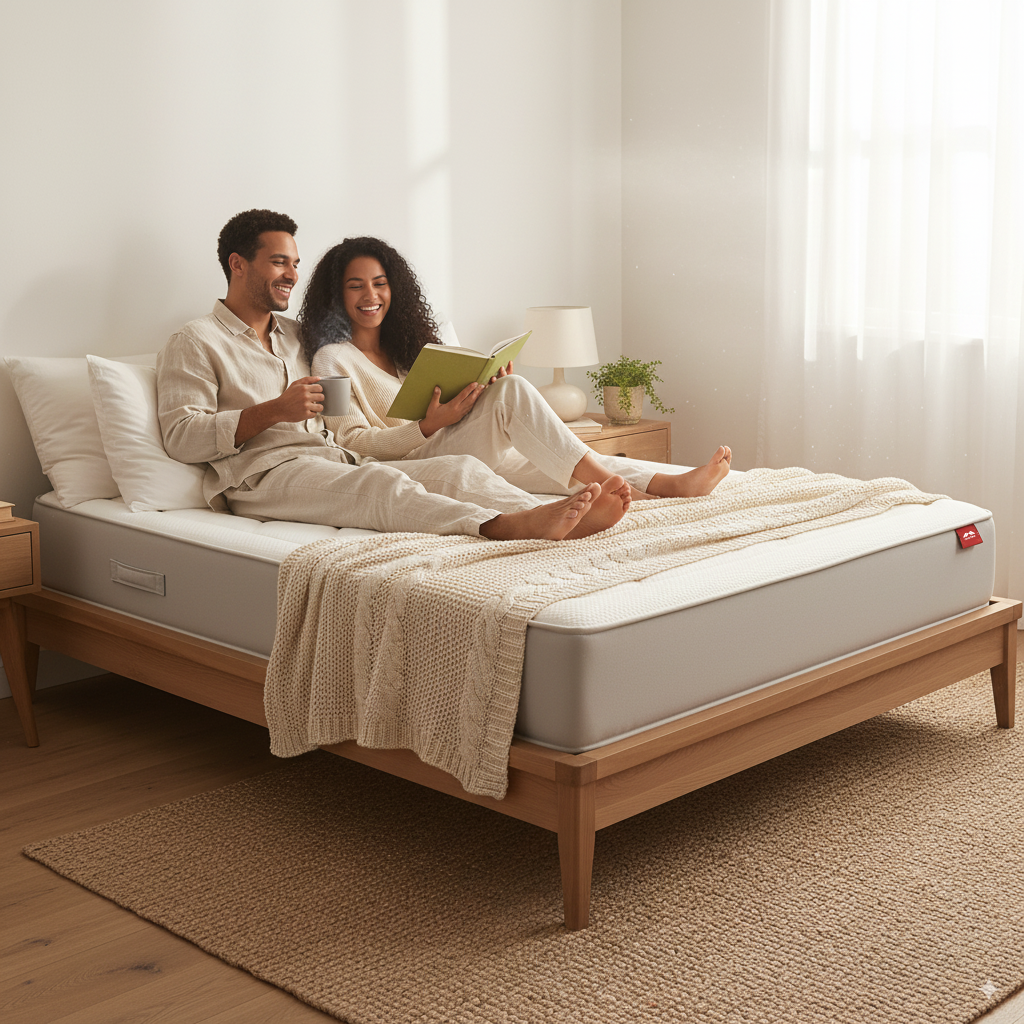
• Encuentra un lugar cómodo para dormir la siesta: Es importante encontrar un lugar cómodo para dormir la siesta. Puede ser en la cama, en una silla cómoda o incluso en el sofá.
• Pon un temporizador: Es importante que pongas un temporizador cuando duermas la siesta. Así te asegurarás de no quedarte dormido y de no sentirte aturdido al despertar.
• Evita la cafeína: La cafeína puede interferir en la capacidad para conciliar el sueño. Evitar la cafeína antes de echarte la siesta te ayudará a aprovecharla al máximo.
• Evita el alcohol: El alcohol puede interferir en la capacidad de conciliar el sueño y hacer que te despiertes aturdido. Evitar el alcohol antes de dormir la siesta puede ayudarle a aprovecharla al máximo.
La siesta en función de la edad
La siesta no es sólo cosa de adultos; puede ser beneficiosa a cualquier edad. Los bebés y los niños pequeños a menudo necesitan hacer siestas durante el día, y dormir la siesta también puede ser beneficioso para ellos. La siesta puede ayudar a reducir la fatiga y facilitar que los bebés y los niños pequeños se mantengan concentrados y alerta.
La siesta también puede ser beneficiosa para niños y adolescentes. Los estudios han descubierto que la siesta puede ayudar a recordar y retener mejor la memoria, así como a reducir los niveles de estrés y mejorar el estado de ánimo general. La siesta también puede ayudar a mejorar la creatividad y la capacidad de resolver problemas, lo que puede ser beneficioso para estudiantes de todas las edades.
La siesta y los patrones de sueño
La siesta también puede ayudar a mejorar los patrones de sueño. Los estudios han descubierto que la siesta puede ayudar a reducir la fatiga y facilitar el sueño nocturno. La siesta también puede ayudar a mejorar la calidad del sueño, haciendo que sea más fácil permanecer dormido por la noche.
Conclusión
En conclusión, dormir la siesta puede ser una forma estupenda de recargar y recuperar energía. La siesta puede ayudar a recordar y retener mejor la memoria, aumentar el estado de alerta, reducir los niveles de estrés, potenciar la creatividad y mejorar los patrones de sueño. La siesta también puede ser beneficiosa tanto para adultos como para niños de todas las edades. Así que, la próxima vez que le apetezca echarse una siesta, ¡hazlo! Y cuéntanos que tal ha ido. Estamos deseando oírte.