
Jet Lag No More: El arte de adaptarse al huso horario
Share
Viajar a otros países y cruzar varios husos horarios es una experiencia increíble, pero también puede pasar factura a tu descanso. El jet lag es uno de los principales enemigos del sueño tras un viaje largo y puede afectar a tu energía, concentración y bienestar durante días.
La buena noticia es que sí se puede minimizar el jet lag si sabes cómo ayudar a tu cuerpo a adaptarse… y el descanso juega un papel clave.
¿Qué es el jet lag y por qué afecta a tu descanso?
El jet lag es un trastorno temporal del sueño que aparece cuando tu reloj biológico interno (ritmo circadiano) no coincide con el horario del lugar al que viajas. Esto ocurre especialmente en vuelos largos hacia el este o el oeste.
Tu cuerpo sigue “pensando” que está en el horario de origen, lo que provoca desajustes en:
- El momento en el que te entra sueño
- La calidad del descanso nocturno
- Tus niveles de energía durante el día
Dormir mal varios días seguidos no solo afecta al viaje, sino también a la recuperación física y mental al volver a casa.
Síntomas habituales del jet lag
Los síntomas del jet lag varían según la persona y el número de husos horarios cruzados, pero los más comunes son:
- Dificultad para conciliar el sueño o despertarse demasiado pronto
- Sensación de cansancio constante durante el día
- Falta de concentración y bajo rendimiento
- Irritabilidad y cambios de humor
- Sensación de no haber descansado aunque hayas dormido horas
Todos estos síntomas tienen un denominador común: un descanso de baja calidad.
Cómo adaptarte al huso horario más rápido
Ajusta tu rutina antes de viajar
Si puedes planificarlo, empieza a adaptar tus horarios unos días antes del viaje:
-
Viajes hacia el este: acuéstate y despiértate un poco antes cada día
-
Viajes hacia el oeste: retrasa progresivamente tus horarios
Este pequeño ajuste ayuda a que el impacto del jet lag sea mucho menor.
Luz natural y ritmo circadiano
La luz solar es el regulador más potente de tu reloj biológico.
-
Exponte a la luz natural por la mañana en tu destino
-
Evita pantallas y luces intensas por la noche
-
Sal a caminar al aire libre siempre que puedas
Esto acelera la adaptación al nuevo huso horario de forma natural.
Alimentación e hidratación
Durante y después del vuelo:
-
Bebe mucha agua
-
Evita el alcohol
-
Reduce la cafeína especialmente por la tarde
Una buena hidratación y una alimentación ligera ayudan a que el cuerpo descanse mejor por la noche.
El papel clave del descanso nocturno
Aquí está el punto que muchas veces se pasa por alto:
no basta con dormir, hay que dormir bien.
Después de un viaje largo, el cuerpo necesita un descanso profundo y reparador para reajustar sus ritmos internos. Un entorno de descanso adecuado —silencio, oscuridad y un buen colchón— puede marcar la diferencia entre arrastrar el jet lag durante días o recuperarte mucho antes.
Por qué un buen colchón ayuda a superar el jet lag
Dormir en un colchón que no se adapta a tu cuerpo empeora la calidad del sueño, aumenta los despertares nocturnos y retrasa la recuperación tras un viaje.
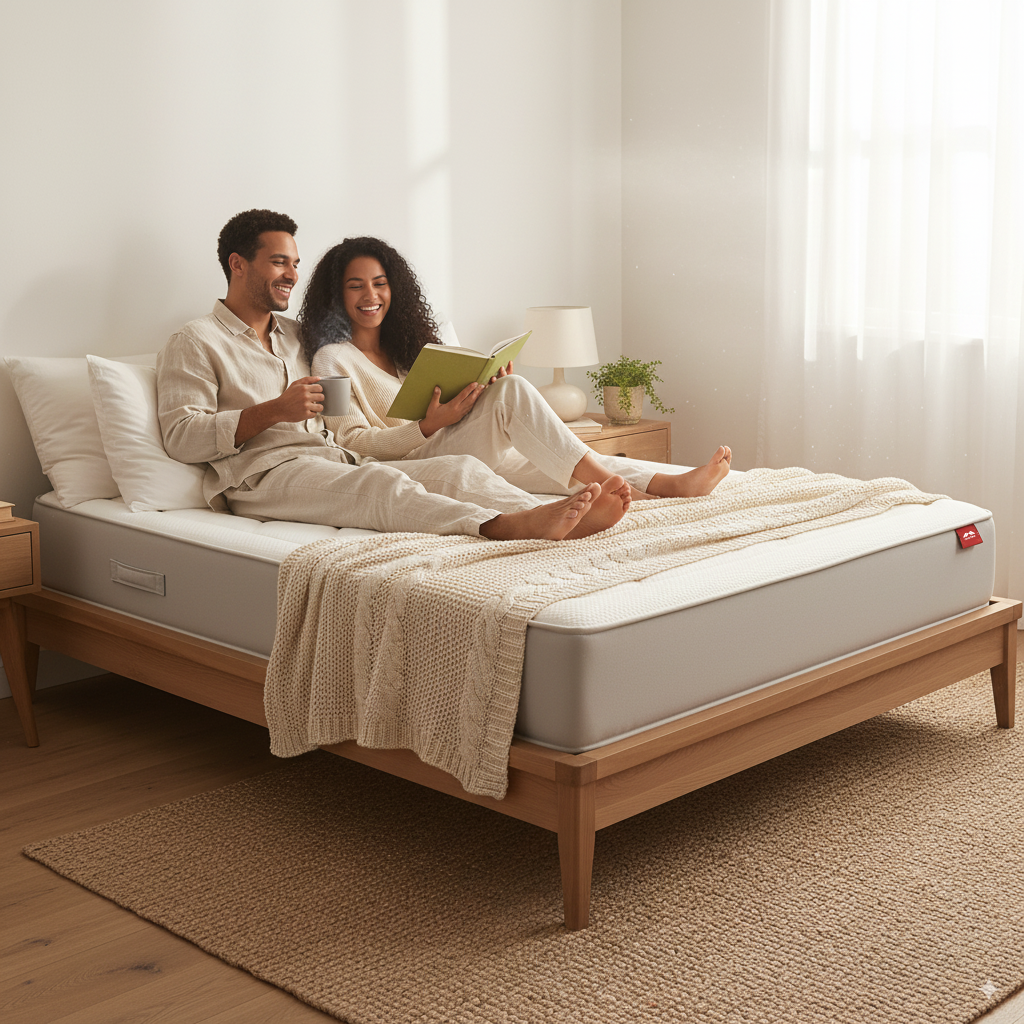
Un colchón para dormir mejor, como el
👉 Colchón Morfeo Original,
está diseñado para:
-
Mantener la columna alineada
-
Reducir los puntos de presión
-
Favorecer un descanso profundo y continuo
-
Ayudar a despertar con más energía
Cuando tu cuerpo descansa de verdad, la adaptación al huso horario es mucho más rápida.
Dormir mejor después de viajar con Morfeo
En Morfeo creemos que el descanso transforma cómo te sientes cada día. Por eso diseñamos colchones que se adaptan a ti y no al revés.
Si después de un vuelo largo te cuesta recuperar el sueño, mejorar tu descanso nocturno es el primer paso. Un colchón adecuado puede ayudarte a:
-
Dormir profundamente desde la primera noche
-
Reducir la sensación de fatiga acumulada
-
Volver a tu rutina con más energía y claridad mental
👉 Descubre cómo mejorar tu descanso con los colchones Morfeo y convierte cada noche en una auténtica recuperación.
Preguntas frecuentes sobre el jet lag
¿Cuántos días dura el jet lag?
Suele durar entre 2 y 5 días, dependiendo del número de husos horarios cruzados y de la calidad del descanso durante ese periodo.
¿Dormir bien ayuda a superar el jet lag?
Sí. Un sueño profundo y continuo acelera la adaptación del ritmo circadiano y reduce los síntomas del jet lag.
¿Influye el colchón en la recuperación del jet lag?
Totalmente. Un colchón que favorece el descanso profundo mejora la calidad del sueño y ayuda al cuerpo a recuperarse más rápido tras los viajes.
Viajar cambia tu horario. Dormir bien cambia cómo lo vives.
El mañana empieza esta noche con Morfeo.