
15 Técnicas para dormir infalibles que te cambiarán la vida
Si eres una de las miles de personas que padecen insomnio u otros trastornos del sueño, toma nota. Ya que puede que aplicando las técnicas para dormir que te proponemos en este post, consigas superar estos problemas.
Está comprobado que muchos de los factores que condicionan la calidad del sueño están relacionados con:
-
En los bebés recién nacidos se recomiendan entre 16-18 horas al día.
-
Niños en edad infantil, entre 10-12 horas.
-
Niños en edad escolar, aproximadamente 10 horas.
-
Adolescentes, aproximadamente 9 horas.
-
Adultos, entre 7-9 horas.
Para que las técnicas para dormir den buenos resultados, es fundamental realizar diariamente y hacerlo con constancia, tanto a diario como en el fin de semana.
Descubre las siguientes técnicas para dormir infalibles
1. Acuéstate y levántate siempre a la misma hora
De esta manera generarás un patrón más estable en el ciclo de la vigilia y el sueño. Esta es una de las más sencillas soluciones para dormir bien. Pero, eso sí, deberás mantener los mismos horarios los días de fiesta y descanso laboral.
2. Evita la siesta si duermes mal por la noche
Si eres de los que no puedes dormir bien por la noche, es mejor que aguantes sin siesta para llegar más cansado al final del día. Si no puedes aguantar, que la cabezada no dure más de 15 o 20 minutos, de esta forma las técnicas para dormir aportarán mejores resultados.

3. Haz algún tipo de ejercicio físico todos los días
El ejercicio diario ayuda a que el cuerpo se relaje posteriormente. Por lo que caminar, nadar, practicar yoga, taichí, o bailar, junto con otras técnicas para dormir, pueden ayudarte mucho a conciliar el sueño. Eso sí, procura evitar la activación física en las últimas horas del día, salvo que se trate de técnicas de relajación para dormir, porque te puede provocar el efecto contrario.
4. Recibe luz solar
La luz del sol es beneficiosa en muchos aspectos. Nos ayuda a conseguir un aumento de la vitamina D necesaria para metabolizar el calcio que necesitan los huesos. También en la producción de serotonina para evitar trastornos depresivos. Pero además, la luz solar ayuda a mantener los ritmos circadianos, responsables de regular los ciclos de sueño y vigilia, influyendo en el insomnio.
Si no dispones de mucho tiempo, al menos aprovecha para andar por la mañana, cierta distancia entre tu casa y el trabajo, recibiendo los beneficios del sol.
5. Busca la mejor forma de relajarte y conviértela en una rutina
Existen diferentes formas de relajarse que dependen de los gustos y preferencias de cada uno. Puedes probar a leer todos los días un tiempo limitado para que te entre sueño o también darte una ducha calentita, escuchar música tranquila y suave, etc.
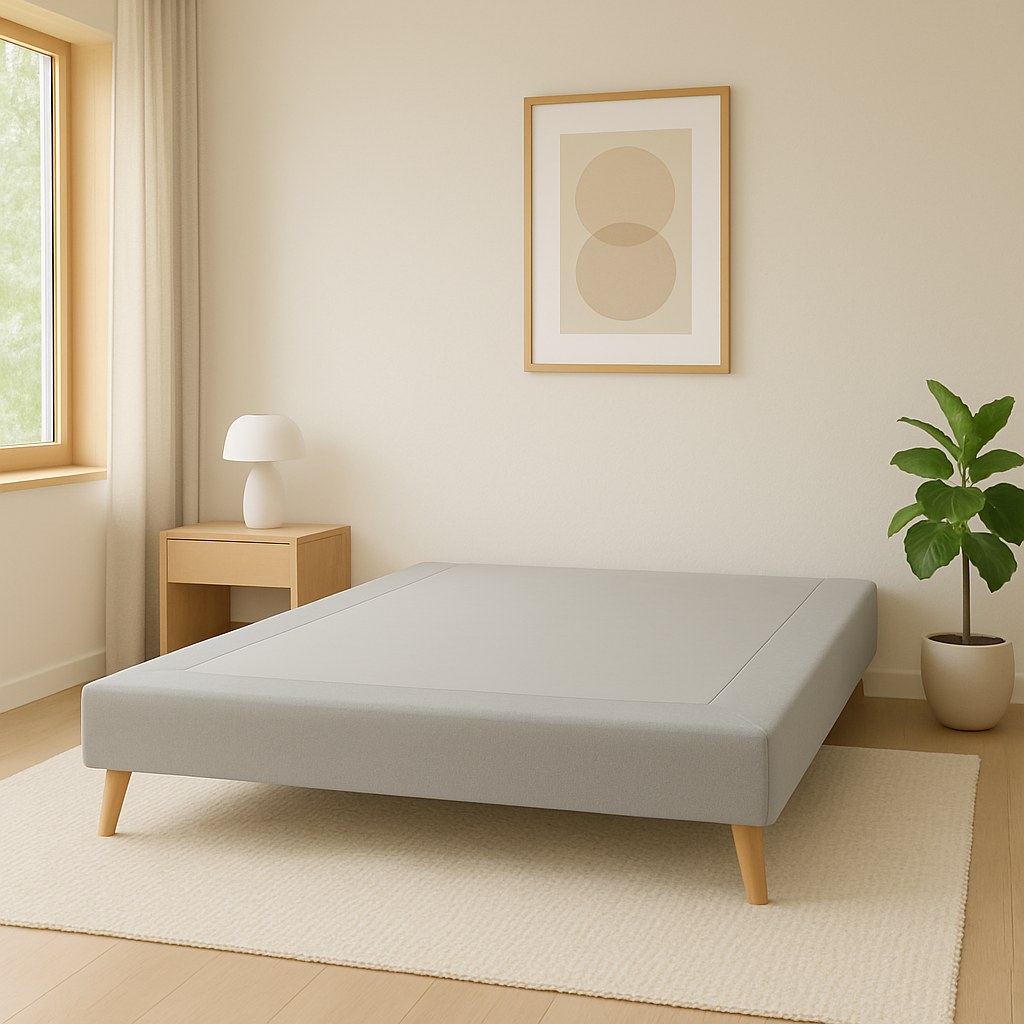
6. Procura que tu lugar de descanso esté bien acondicionado
Además de seguir una serie de técnicas para dormir bien, es muy importante que tu dormitorio esté bien ordenado y ventilado, para que te genere sensación de paz.
7. Evita las tecnologías
Conviene evitar aparatos electrónicos enchufados dentro de la habitación, como móviles, tablets u ordenadores. Así como, todo tipo de ruidos que puedan atraer tu atención impidiendo que desconectes. Ya que si no puede producirse el insomnio. También es muy importante que exista una adecuada oscuridad para dormir bien. Debido a que la melatonina facilita la somnolencia, se activa cuando no hay luz.
8. No bebas demasiado líquido a última hora del día
Si bebes mucho en las últimas horas del día, es muy probable que la necesidad de ir al cuarto de baño interrumpa tu sueño. Aunque no hay que evitar beber algo, para que la sed no te despierte, y dormir bien.
9. No tomes sustancias estimulantes a partir del medio día
El café, té, y refrescos de cola son estimulantes del sistema nervioso. Si tienes problemas de sueño, además de utilizar técnicas para dormir, debes evitar su consumo, o reducirlo a las primeras horas del día. El tabaco, y el alcohol, también reducen la calidad del sueño, contribuyendo a la interrupción de sus ciclos. Así que mejor evitar su consumo o limítalo a partir del mediodía.

10. Haz cenas ligeras y al menos dos horas antes de acostarte
Procura cenar comidas ligeras y fáciles de digerir. Evita las grasas y picantes, que te pueden provocar problemas estomacales interfiriendo tu sueño. Además, es bueno evitar por la noche el consumo de alimentos que contengan azúcares. El aumento de la glucosa en la sangre puede alterar tus posibilidades a la hora de dormir.
11. Invierte en un buen colchón y una almohada adecuada
Las técnicas para dormir no funcionan si tienes un colchón con muelles que suenan cada vez que te giras, que suena y se mueve cuando se levanta tu pareja o en el que no puedes encontrar la postura para descansar. Esto, no solo interrumpe tu ritmo de sueño, sino que te genera insomnio desde el principio. Por eso es fundamental que inviertas en la base de descanso que mejor se adapte a tus preferencias. Porque el mejor colchón cuidará tu salud al dormir mejor, amortizando el gasto durante muchas, muchas noches.
Una almohada adecuada es fundamental para conseguir que tu cabeza y cervicales reposen correctamente. Pero además, entre los consejos para dormir bien por las noches, también puede ser muy beneficioso utilizar una almohada fina entre tus rodillas si duermes de lado, ayudándote a descansar mejor.

12. Utiliza la cama solo para dormir
Si eres de los que se tumba para hablar por teléfono, leer, o buscar información en la tablet, abandona esa costumbre. Piensa que la cama es para dormir y así tu cerebro la asociará con el descanso.
Levantarse si tras 20 minutos en la cama no has conseguido dormirte, realizar alguna de las actividades anteriores y al rato intentarlo de nuevo. Esto puede ayudar contra el insomnio.
13. Olvida el reloj si tienes insomnio
Cuando no se consigue dormir, es muy habitual estar pendiente del reloj. Esto genera un círculo vicioso, en el que la preocupación por el tiempo de descanso restante hace que aumente el insomnio. Así que ¡olvídate del reloj! Tómalo como parte de los métodos para conciliar el sueño y que cuando este llegue, te parezcan más las horas dormidas.
14. Utiliza la respiración para relajarte y conciliar el sueño
Entre las técnicas de respiración para dormir más sencillas que puedes utilizar, está trabajar la respiración una vez acostado. Utiliza el siguiente patrón: aspira aire por la nariz mientras cuentas hasta cuatro, después retén el aire contando hasta siete y finalmente suelta el aire mientras cuentas hasta ocho al mismo ritmo.
Repite al menos tres veces esta forma de respiración. Te ayudará a centrar la mente en ello, olvidando otras preocupaciones o pensamientos. Y a la vez, ayudas a que el sistema parasimpático funcione mejor contra el insomnio
15. Sueña despierto
Entre las técnicas para dormir que funcionan, una bastante interesante es obligar a tu mente a imaginar situaciones relajantes y mezclarlas con imágenes abstractas. Pasando de unas a otras primero de forma consciente y progresivamente, abandonándote en estas visiones mentales. Así conseguirás dormirte mucho antes de lo que te imaginas.
Disciplinas que te ayudan a descansar
Existen algunas actividades o disciplinas que ayudan a relajar el cuerpo y la mente. Lo que favorece la conciliación del sueño y un buen descanso. Por ejemplo, practicar yoga puede ayudar a conciliar el sueño a través de la relajación y meditación.
Para que este tipo de técnicas para dormir sea eficaz, es necesario practicarlas siempre a la misma hora todos los días. Y hacerlo antes de dormir, una vez hecha la digestión de una cena muy ligera.
Hay que conseguir separar la consciencia de las sensaciones y estímulos exteriores a través de la relajación muscular progresiva, la meditación, el escaneo corporal y la respiración profunda. Entre otras prácticas, para evitar tener que tomar algo para dormir.
-
Trabaja la respiración profunda: inhalando aire por la nariz, desde la parte baja del abdomen, reteniendo unos momentos y soltando por la nariz, apretando desde la tripa. Repite varias veces este tipo de respiración.
-
A través de la relajación muscular progresiva: hay que trabajar la tensión y distensión de todos los músculos del cuerpo. Recorriendo todas las zonas desde los pies a la cabeza y para conseguirlo deberás poner toda tu atención en cada parte trabajada. Repite tres veces el trabajo en cada punto y grupo muscular para conseguir una relajación total, con este tipo de técnicas para dormir mejor. Te inducirán a un sueño más profundo y reparador.
-
Otro tipo de ejercicios para meditar y relajarse: consisten en trabajar el escaneado del cuerpo, sin movimiento muscular. Obligándote a centrar la atención sobre cada uno de los puntos de tu cuerpo, comenzando igualmente desde los pies. Termina en el punto central de tu frente, y concéntrate en ese lugar sin que interfiera ningún otro pensamiento.
Estas técnicas para dormir, junto al resto de pautas, pueden ayudarte a mantener una adecuada higiene del sueño. Lo que es muy necesario para una buena salud física y mental.
Y ahora que ya conoces nuevas técnicas para dormir, cuentan con nosotros a la hora de ayudarte a descansar con uno de nuestros colchones inteligentes, y una buena almohada para conciliar el mejor sueño.
Síguenos en Redes Sociales (Facebook, Instagram, Twitter, Pinterest).