
Relaxation Exercises: 6 Step-by-Step Techniques to Calm Your Mind
The relaxation exercises with the most support and that are easiest to learn are diaphragmatic breathing, progressive muscle relaxation, and body scanning. They require no equipment, take between 5 and 15 minutes, and can be done sitting up or in bed. Below you will find six techniques explained step by step and a table to help you choose the one that best suits your needs.
Table of Contents
- What relaxation exercises are for
- 6 relaxation exercises step by step
- Which one to choose? Table based on your needs
- Other relaxation therapies: flotation and aromatherapy
- How to incorporate them into your routine
- Conclusion
What relaxation exercises are for
When you are tense, your body operates in alert mode: your heart rate increases, your breathing becomes shallow, and your muscles contract. Relaxation exercises work the opposite way. They slow down your breathing, reduce muscle tension, and help quiet your mind.
They don't eliminate the cause of stress, but they do help you manage it better, handle emotions such as irritation or anxiety, and fall asleep when your mind won't shut off.
6 relaxation exercises step by step
1. Diaphragmatic breathing (5 minutes)
It is the foundation of almost all other techniques and the quickest to learn.
- Sit or lie on your back. Place one hand on your chest and the other on your abdomen.
- Breathe in through your nose for about 4 seconds, so that the hand on your abdomen rises while the one on your chest barely moves.
- Exhale slowly through your mouth for about 6 seconds.
- Repeat at this pace, about 6 breaths per minute, for 5 minutes.
If you feel lightheaded, shorten the times slightly. With practice, two or three minutes are enough to notice the effect.
2. Jacobson progressive muscle relaxation (10-15 minutes)
It consists of tensing and releasing muscle groups to learn to notice the difference between tension and relaxation.
- Lie down or sit comfortably and breathe calmly.
- Start with your feet: tense the muscles for about 5 seconds, without causing yourself pain.
- Release suddenly and stay for 10 to 20 seconds, noticing how they relax.
- Move up your body: legs, buttocks, abdomen, hands, arms, shoulders, neck, and face.
If you have an injury or pain in an area, skip it or tense it very little.
3. Body scanning (10 minutes)
- Lie on your back with your eyes closed.
- Focus your attention on your toes and notice what you feel: weight, temperature, tingling. Do not try to change anything.
- Move slowly up your body, area by area, all the way to your head.
- If you get distracted, return without judging yourself to the last area you remember.
It is one of the techniques that works best in bed for falling asleep.
4. Mindfulness of breathing (5-10 minutes)
Mindfulness meditation consists of focusing on the present moment without judgment. Sit in a quiet place, focus your attention on how the air enters and leaves, and every time you get distracted, return to your breathing. Start with 5 minutes a day and gradually increase.
5. Guided visualization (5 minutes)
Close your eyes and imagine in detail a place where you feel calm: a beach, a forest, your favorite place. Go through what you would see, hear, smell, and feel on your skin. It works best when combined with slow breathing.
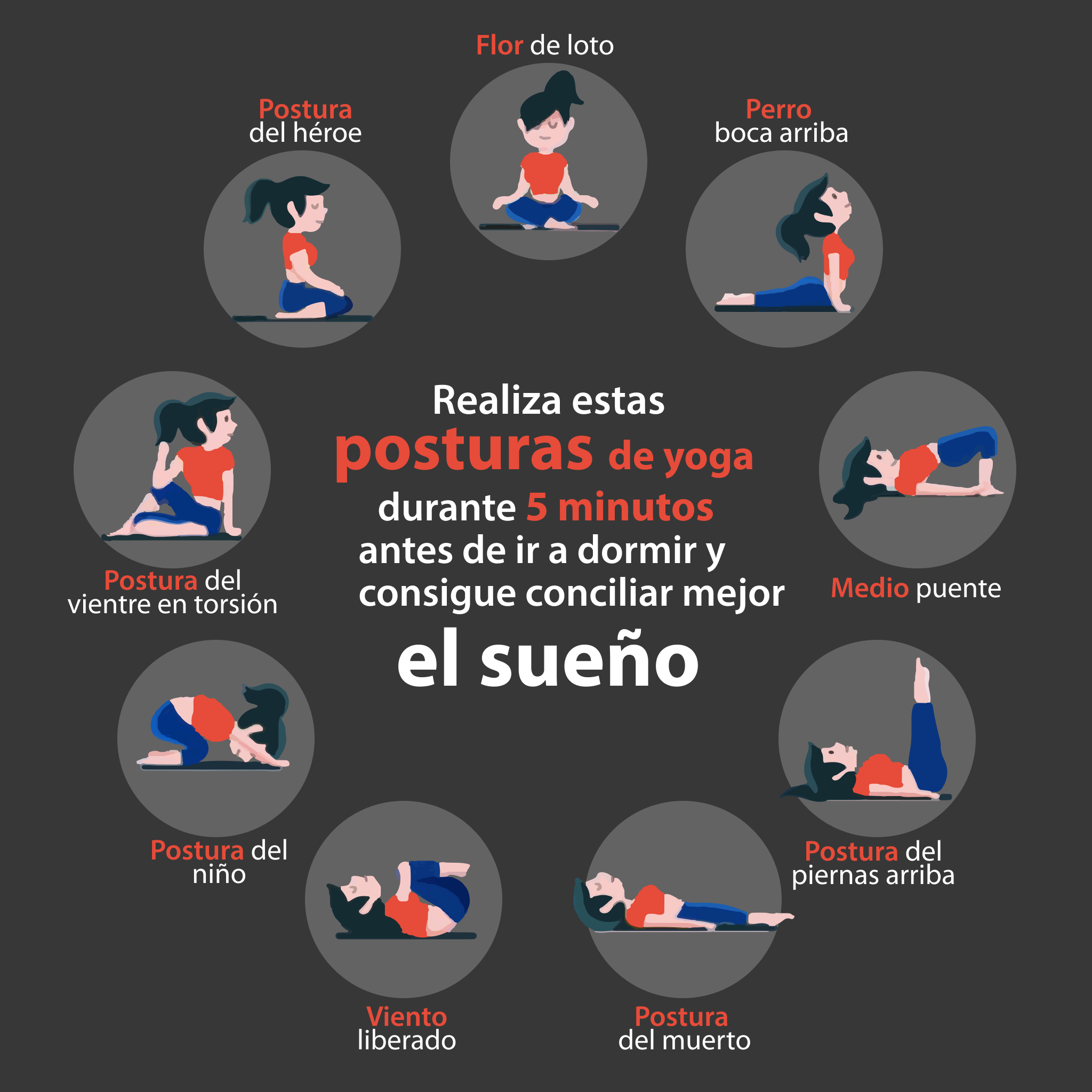
6. Gentle stretching or yoga (10 minutes)
For those who relax better by moving. A few gentle poses at the end of the day release the back, hips, and neck. You can find a simple routine in 7 yoga poses for sleeping better.
Which one to choose? Table based on your needs
| What you notice | Recommended exercise | Time |
|---|---|---|
| Your mind won't stop when you lie down | Body scanning or diaphragmatic breathing | 5-10 min |
| Tense shoulders, jaw, or neck | Progressive muscle relaxation | 10-15 min |
| Nervous before a meeting or exam | Diaphragmatic breathing | 2-3 min |
| Stiff body after many hours sitting | Gentle stretching or yoga | 10 min |
| Difficulty concentrating or switching off | Mindfulness | 5-10 min |
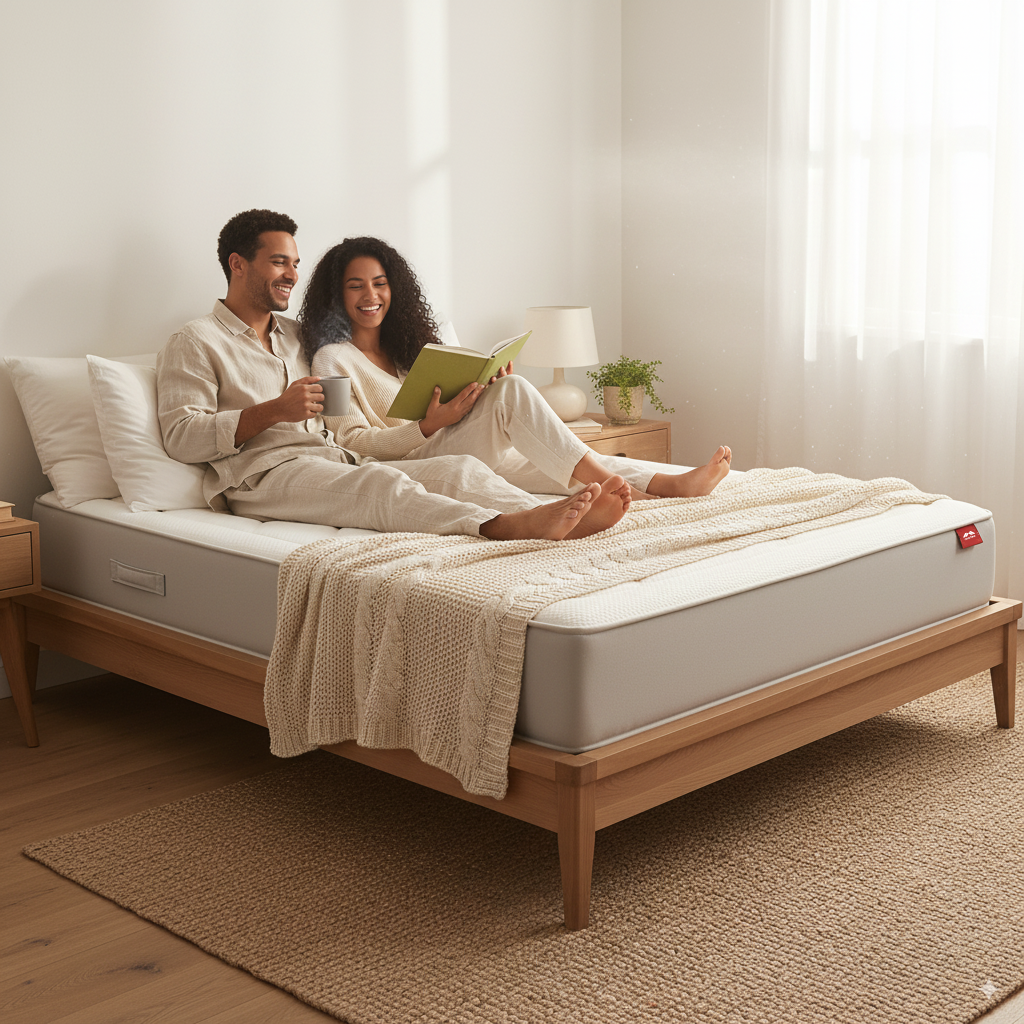
View the Original Hybrid mattress
Other relaxation therapies: flotation and aromatherapy
Flotation therapy. It consists of floating in a tank of body-temperature water with plenty of Epsom salt, so that the body floats effortlessly. Many people use it to reduce stress and muscle tension. It is done at specialized centers, once a week or once a month.
Aromatherapy. It uses essential oils, such as lavender, to create a calming environment: in a diffuser in the bedroom a while before going to bed or in a roll-on. If you have allergies or asthma, or are pregnant, consult your doctor beforehand.
How to incorporate them into your routine
- Choose one or two and practice them daily for two weeks before judging if they work for you. They are learned through repetition.
- Same time every day: when you wake up, after lunch, or when you go to bed.
- In bed, diaphragmatic breathing and body scanning are the most practical.
- If you don't fall asleep within about 20 minutes, get up, do something relaxing in low light, and return to bed when you feel sleepy.
Morfeo's recommendation
Relaxation works best without pressure points
If you notice your shoulders or hips feeling heavy when you lie down, your body is struggling to release tension. We explain in six steps how to choose a mattress that distributes your weight.
How to choose a mattress in 6 steps
Size, posture, weight, material, and firmness, in order and without beating around the bush.
Read the guide →
Morfeo Mattresses
Six models made to order in Yecla, with 100 trial nights.
View the collection →
Mattresses: 100 trial nights · 10-year warranty · Free shipping within the mainland · Made in Spain
Conclusion
Diaphragmatic breathing, progressive muscle relaxation, body scanning, mindfulness, visualization, and gentle stretching are simple, free techniques to lower tension and sleep better. The key is to practice them daily until they become second nature.
If anxiety or insomnia lasts for weeks, talk to your doctor: a psychologist can teach you these techniques as part of a treatment plan.